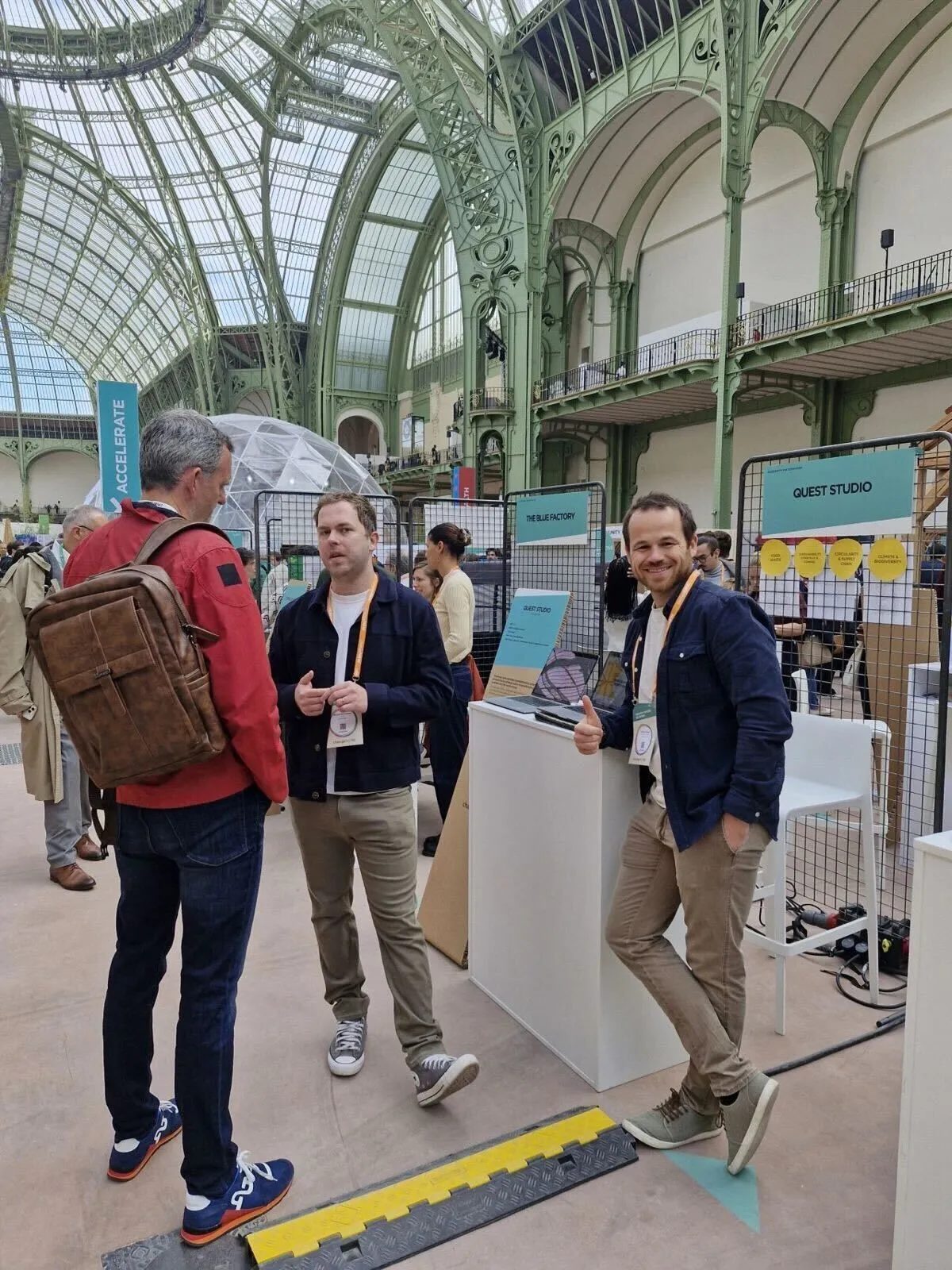
Quest is a Belgian impact consultancy and certified B Corp that helps organisations turn sustainability from a compliance exercise into a plan they can act on. It measures carbon footprints under the GHG Protocol, builds net zero roadmaps, guides B Corp certification and CSRD readiness, and turns the results into clear impact reports.
About Quest Studio
Quest was founded in 2018 by Michael Boschmans and has since completed more than 200 projects for clients in eleven countries. It works from offices in Belgium (Merelbeke-Melle, near Ghent) and Luxembourg (Hostert), with a team that covers six languages. Its services fall into three areas: nature and climate (carbon accounting, net zero roadmaps, biodiversity and TNFD/SBTN, sustainable supply chains, compliance and certifications), innovation and research (sustainable business models, social innovation, applied research), and digital (UX/UI, development, AI for good, digital impact reports). Quest has been a certified B Corp since 2019, when it was among the first 15 Belgian B Corps, and recertified in 2023 with a score of 122.7, up from 87.4. As a trained B Leader, it runs a B Corp certification programme and works closely with B Lab Europe. It also co-founded Habitats, a non-profit network that starts, funds and scales biodiversity conservation and restoration projects. Clients include the European Investment Bank, the Flemish Government, Novotel, CACEIS, Cordeel, Montea, IKO, Rubenshuis and Fashion for Good.
They also worked with Quest Studio
European Investment Bank
Flemish Government
Novotel
CACEIS
Cordeel
Montea
IKO
B Lab Europe
What Quest Studio has delivered
RubenshuisCulture and heritage
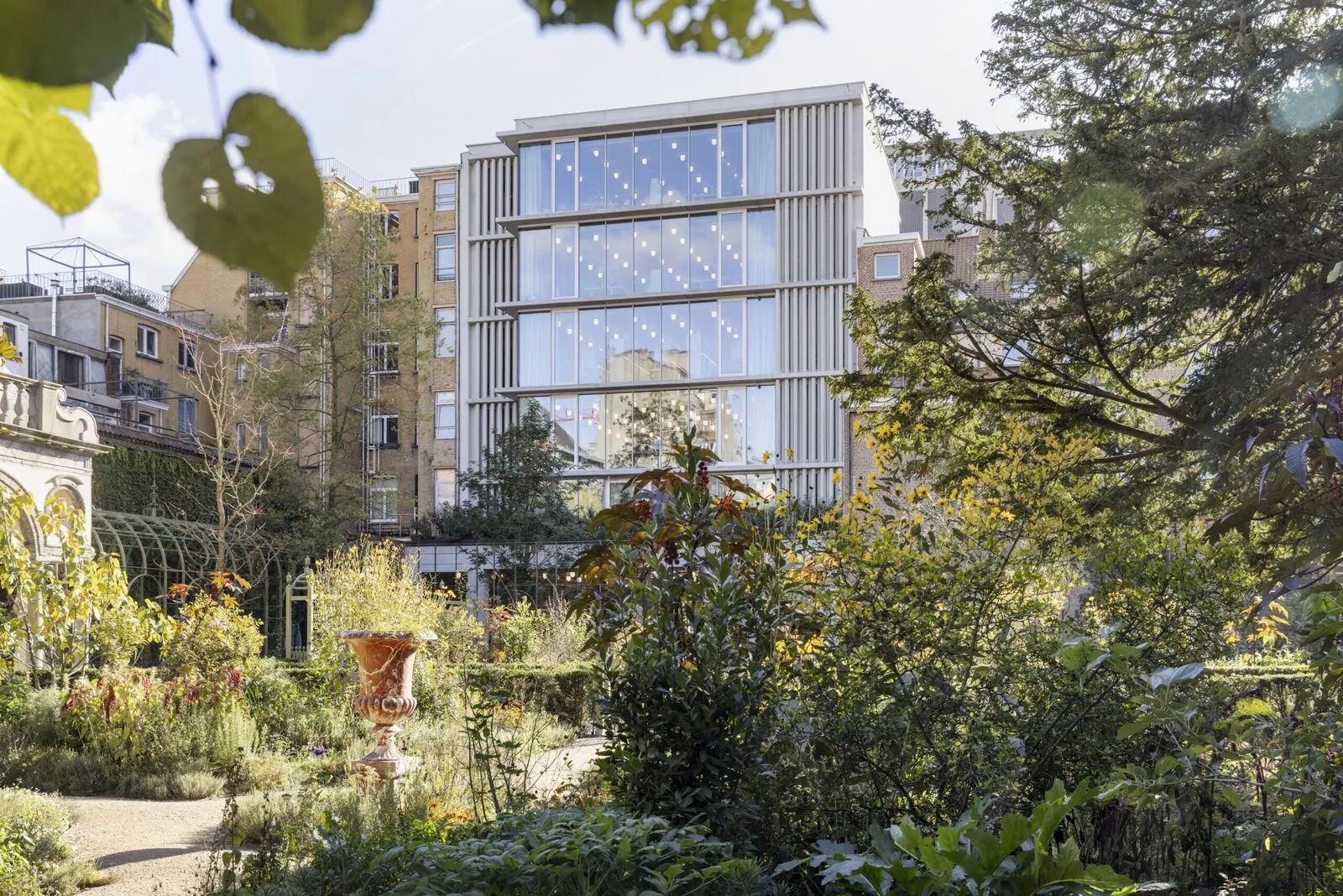
A multi-year GHG Protocol footprint for Rubens' house in Antwerp
Rubenshuis wanted to steer climate action on evidence, not a one-off snapshot. Its footprint spans the historic house, the Rubenianum research institute and a newer Experience Center, plus art transport, purchases, waste and visitor travel. Quest built a footprint under the GHG Protocol with an operational-control boundary, reconstructed direct emissions over several years, used museum-specific emission factors, engaged key suppliers and modelled visitor travel. Green electricity is shown in the market-based result while the grid impact is still tracked. The multi-year view showed direct emissions falling thanks to better energy and heating performance, while the measured total grew only because the boundary now includes the value chain.
Consistent multi-year dataset across scopes 1, 2 and 3
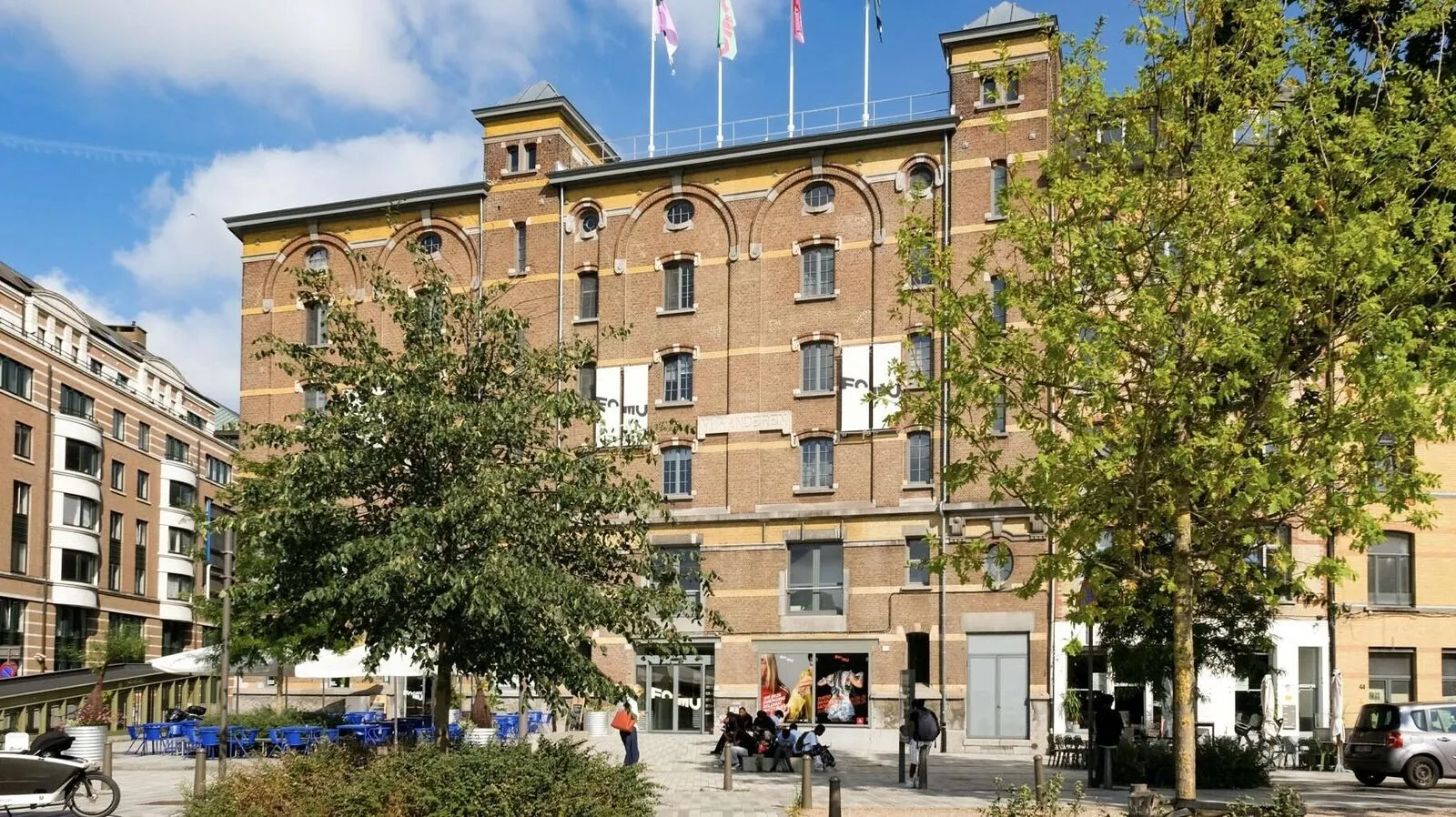
A 2024 carbon base year for Antwerp's photography museum
FOMU had set itself the goal of demonstrably reducing its carbon footprint, but lacked a credible baseline. The museum combines exhibitions, offices, a café and a cinema, often behind shared meters, and its impact extends to exhibition materials, international transport of loaned works, purchases, waste and tens of thousands of visitors. Quest calculated FOMU's full 2024 footprint under the GHG Protocol, screened the fifteen scope 3 categories for materiality, converted data in very different units into activity data, engaged the most material suppliers and modelled visitor travel. FOMU now has a solid base year, a prioritised list of reduction levers and a method it can repeat every year.
International flooring manufacturer (confidential)Manufacturing
An Impact Scan to get one view of scattered sustainability work
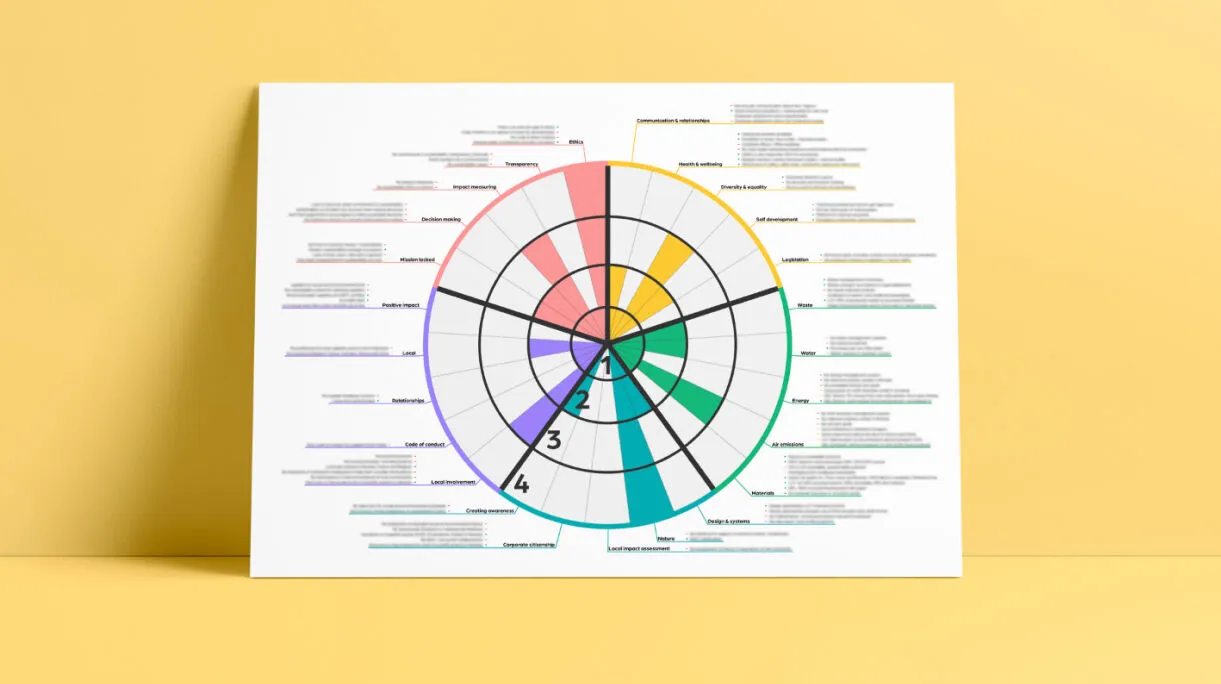
An international flooring producer had sustainability initiatives spread across locations, with ownership split over several departments, so management could not align them or communicate about them. Quest benchmarked the company against more than 40 competitors, interviewed 22 employees from 5 departments in 3 countries across 4 product groups, and turned the findings into a visual overview of positive and negative impacts with an action roadmap. The company then added a sustainability page to its website, briefed internal stakeholders, started measuring and reporting more inputs and outputs, and trained employees on sustainable practices.
B Corp certification for a multi-brand safety footwear company
Allshoes Professional Footwear, a Dutch safety footwear company with the brands Redbrick, Strövels and Mr. Miles, wanted to prove its sustainability commitments in a credible, measurable way and embed them in governance and operations across all its brands. With Quest's B Corp programme, Allshoes became a Certified B Corporation on 7 July 2025, with the certification covering the company and its three brands.
B Corp certification for a parent company and all its brands
KeyPharm, the company behind Physalis, Biotona and Pureté Bio, asked Quest for guidance towards B Corp certification. Quest built a specific approach for a multi-brand business with a complex structure and supply chain: navigating the assessment, documenting evidence for verification, aligning impact programmes into one improvement roadmap and training the team for life after certification. With leadership, Quest also turned informal local hiring and giving into a public, recurring donation commitment. The target was a score of 90; KeyPharm reached 94.3, and all its brands can use the certification.
A GRI-based impact report built as a reusable web template
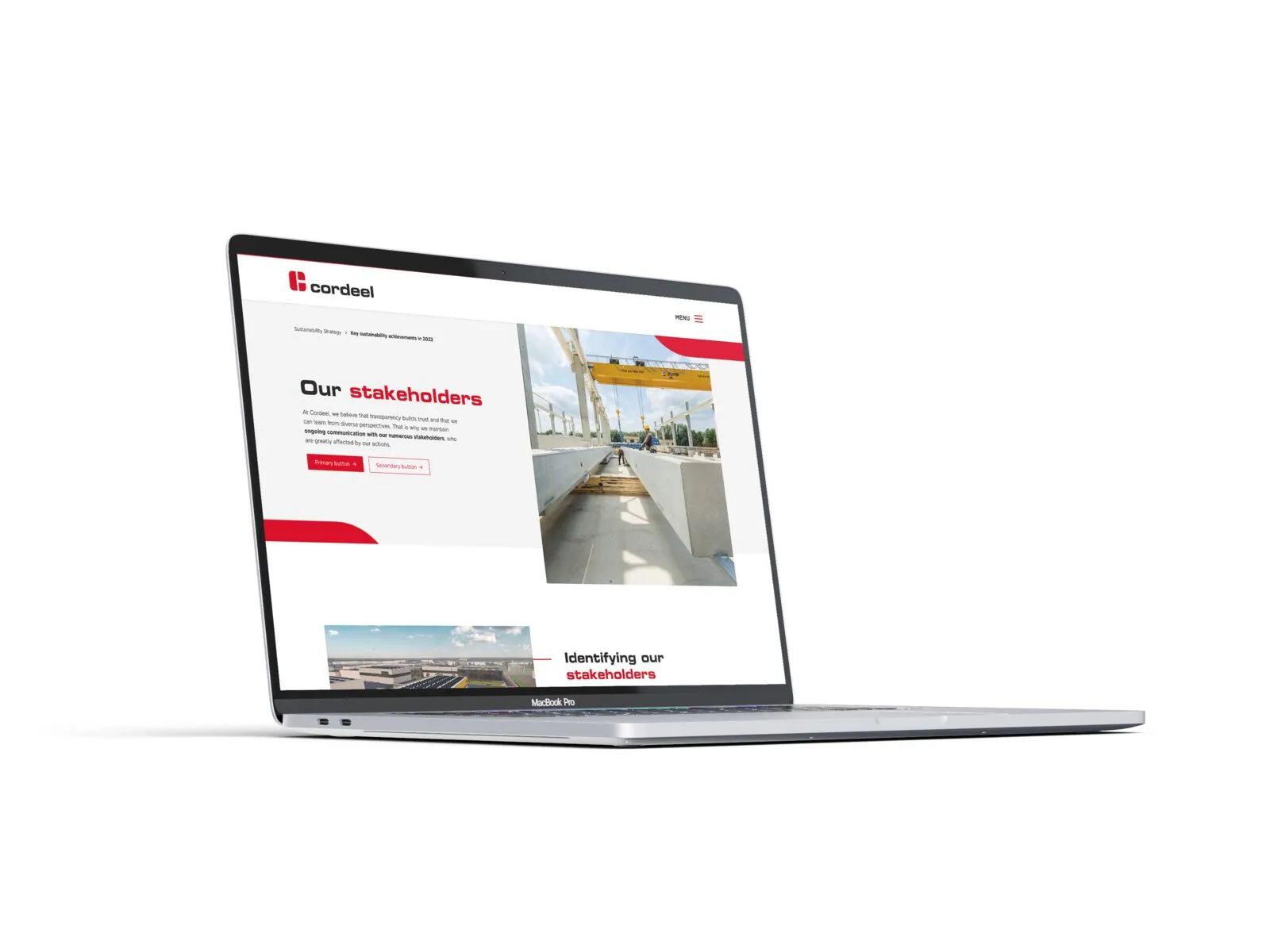
Cordeel Group, a Belgian family-owned construction company and major European player, asked Quest for an impact report whose set-up could be reused. Instead of a PDF template, Quest recommended a web format: it used the GRI standards to frame and rewrite the content, designed and developed the site with interactive graphs and flexible content blocks, and added an automatic PDF download. Cordeel can now publish future impact reports on the same template without a new design budget.
Impact report structured on the GRI standards
Reusable web template with interactive graphs and PDF export
“Quest has been a great support on our sustainability journey. Their passion is matched by their concrete, actionable ideas, ensuring our initiatives aren't just hypothetical. Quest is transparent, critical and a challenger. They are a reliable partner to get to the next level!”
Simon Maillet,Sustainability Manager, Cordeel
“Achieving this certification marks just the beginning of our journey. It not only highlights our current strengths but also guides us towards areas where we can further improve. We remain committed to innovation, developing products that align with our core values and contribute to a better future. Preserving tomorrow's planet is our most valuable legacy”
One day, real numbers. Meet the companies turning carbon strategy into measurable savings — and benchmark yours against Belgium's sustainability leaders. Seats are limited.
Real ROI case studies — companies saving up to €94k/year
Benchmark your climate strategy against 100+ industry peers
Leave with an actionable, board-ready reduction roadmap