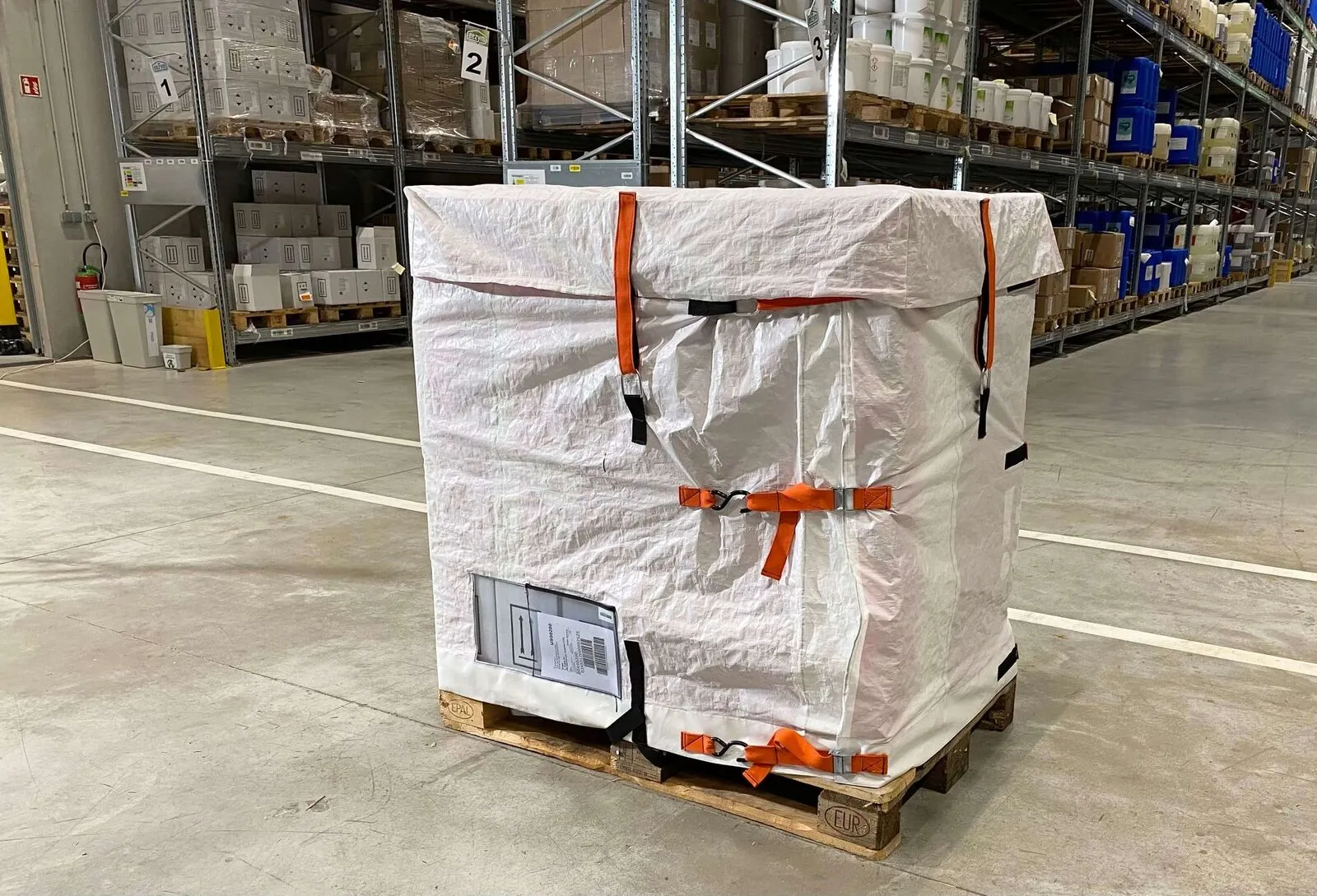
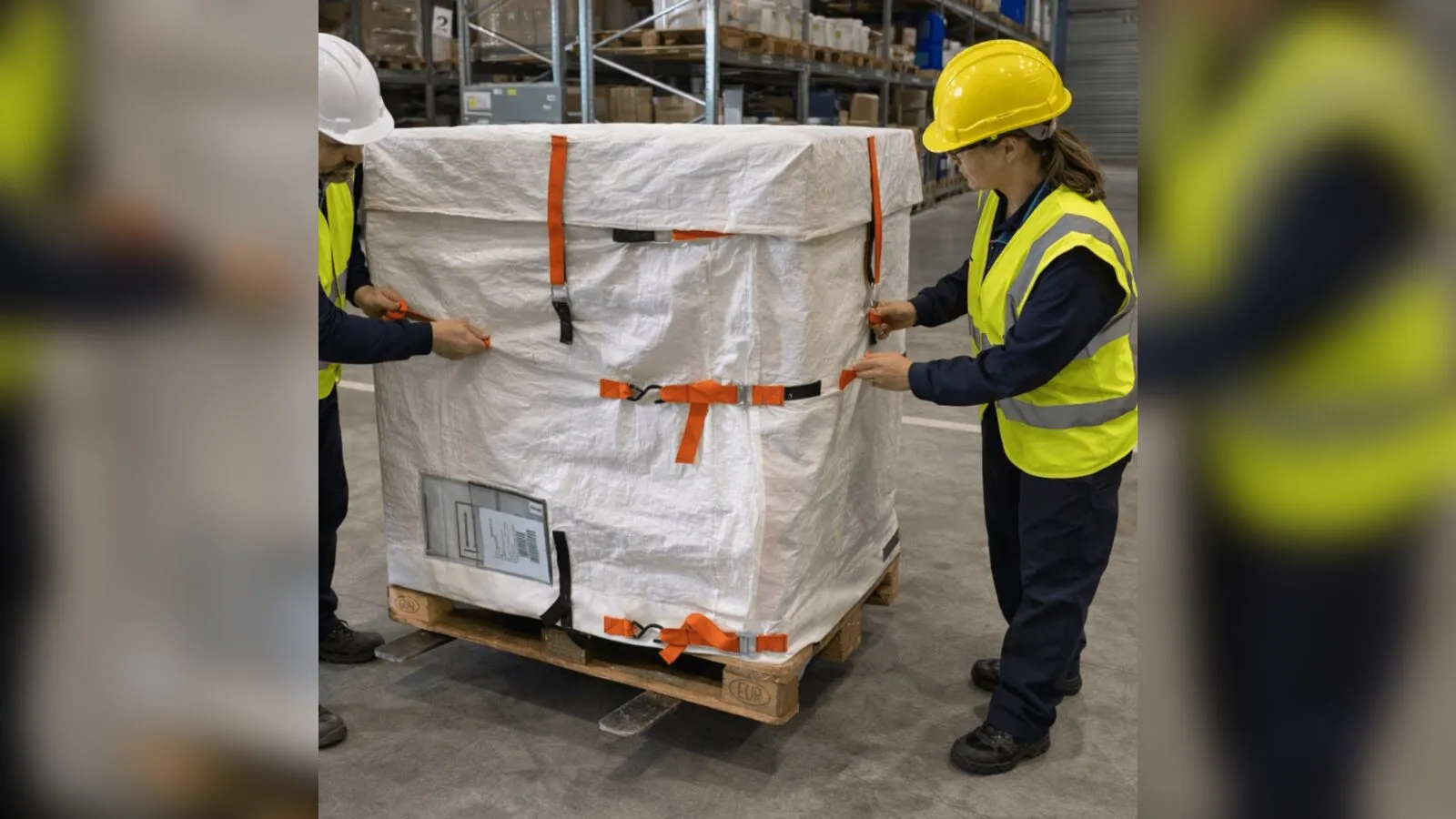
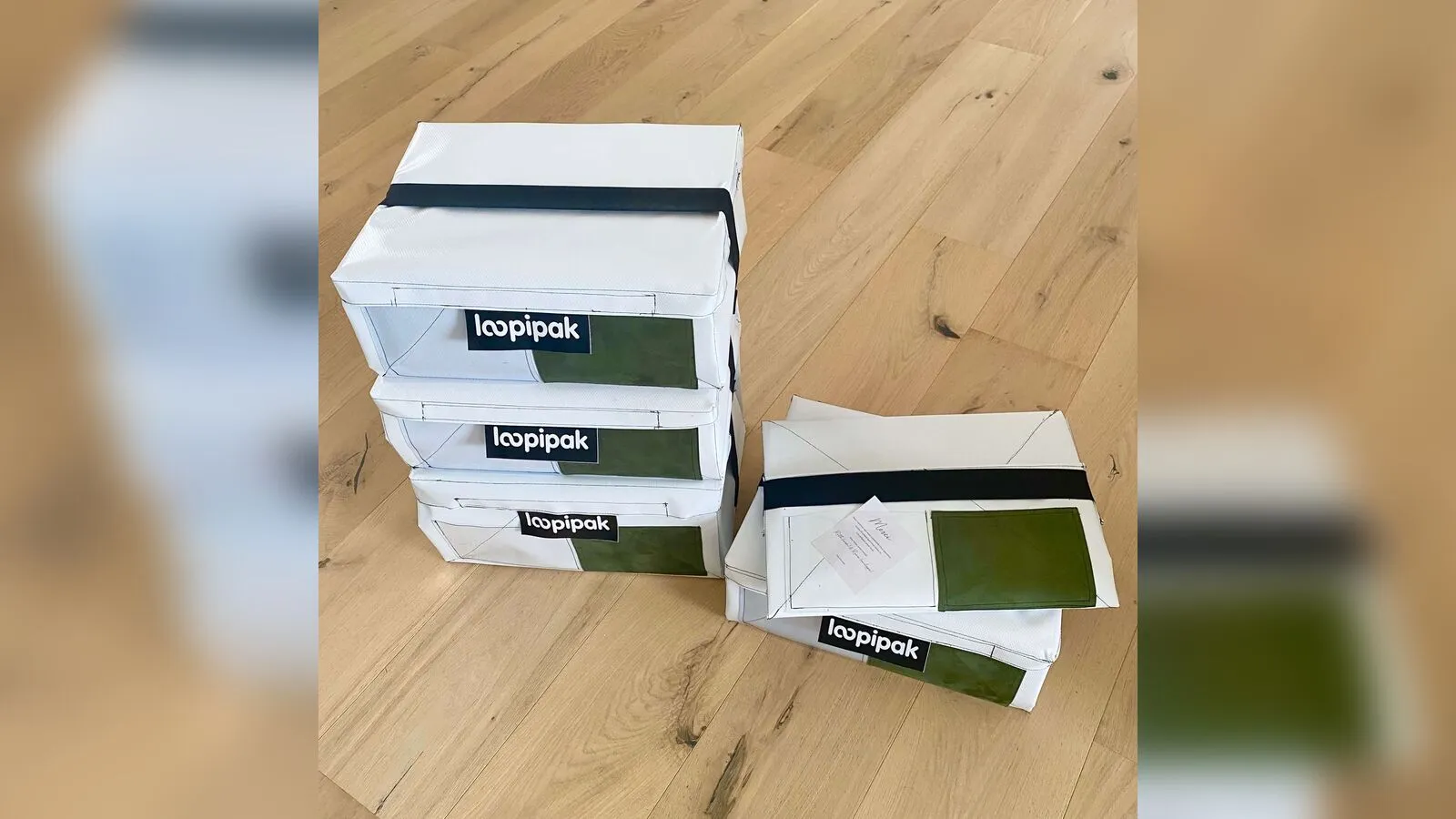
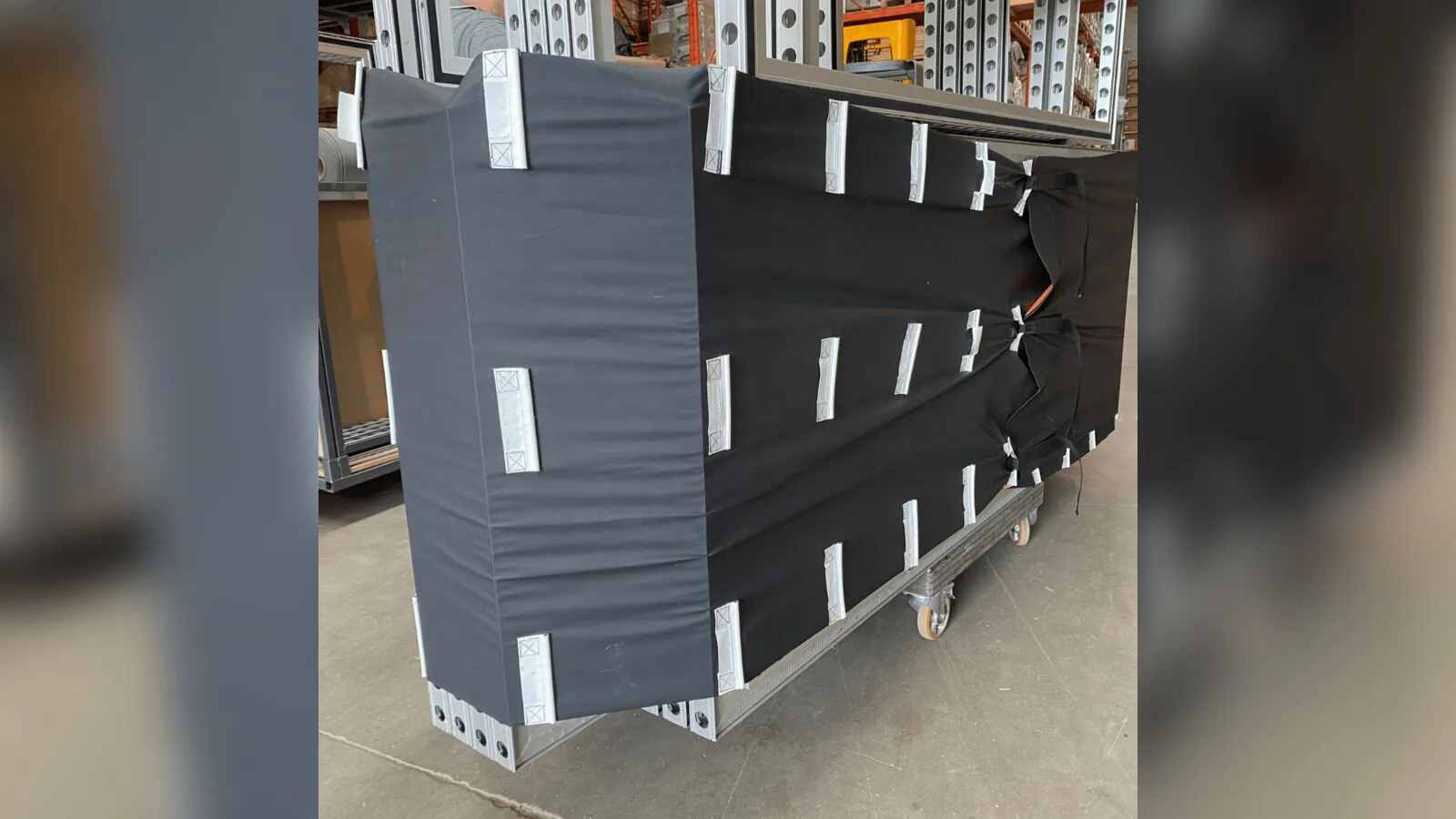
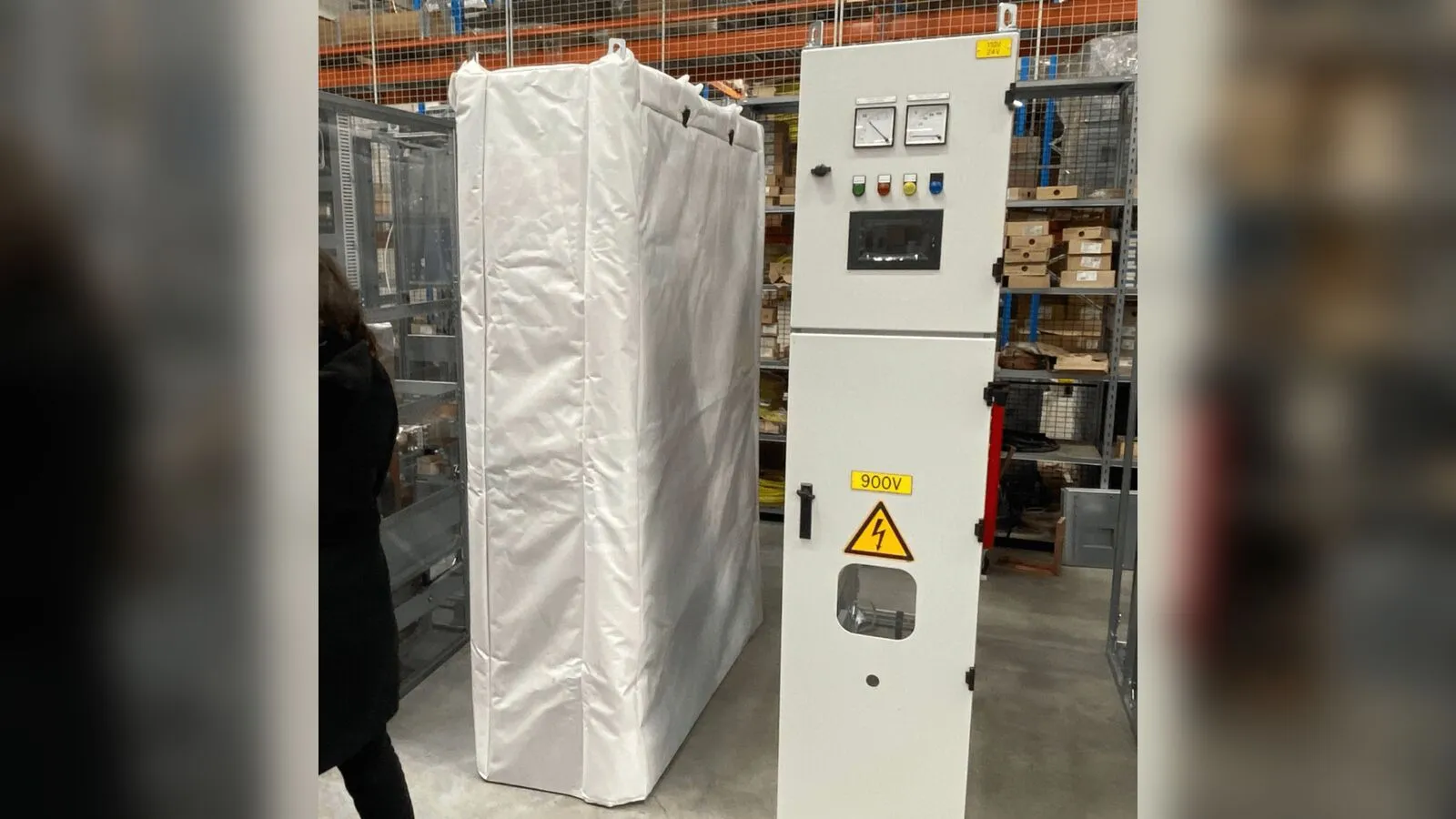
LOOPIPAK, a brand of Graine de Malice in Mont-Saint-Guibert, replaces stretch film, cardboard and single-use mailers with reusable pallet covers, straps, crates and shipping bags. They are made in Belgium from used advertising banners, sewn and repaired in sheltered workshops, and traceable by barcode, QR code or RFID.
About LOOPIPAK
LOOPIPAK is a brand of Graine de Malice SRL, a company registered in 2022 in Mont-Saint-Guibert (Hévillers), in Walloon Brabant. It grew out of its founders' experience selling sustainable products online, where they saw how much waste packaging creates. Co-founders Sylvie Michel, in charge of strategy, partnerships and custom design, and Rudi Collin, in charge of IT, traceability and quality, run the company. The range covers pallet covers, palletising straps for pallets and trolleys, covers for electrical cabinets, reusable shipping crates, envelopes and laundry bags, plus custom designs. Production relies on reused materials, mainly advertising banners and estate agency panels, and on sheltered workshops in Wallonia and Flanders that employ people with disabilities or on a path back to work. Projects follow three steps (analyse, test, deploy), and clients can buy or rent their packaging. LOOPIPAK lists SNCB, bpost, Bidfood, Horiba, Rombouts and Solina among the organisations that trust it, and its partners include Circular Wallonia and Ecopreneur.be.
They also worked with LOOPIPAK
SNCB
bpost
Bidfood
Horiba
Rombouts
Solina
Luisterpuntbibliotheek
Médor
What LOOPIPAK has delivered
SolinaIndustry
Replacing stretch film on an internal pallet flow
Solina wraps the pallets that shuttle between its warehouse and production in plastic film: around 100 pallets a day, or 500 a week, moved by forklift over a few hundred metres. LOOPIPAK analysed the flow, built a prototype storage cover for 120 x 100 cm pallets and tested it on site with the logistics manager, two operators and the safety and environment manager. Their feedback led to a resized cover, moved straps and cam buckles. The new version passed lab tests and an on-site demonstration, and Solina intends to run a pilot with an initial pool of 50 covers, backed by a profitability study and an LCA.
From site visit to an approved pilot at the Salzinnes workshop
SNCB wanted to replace some single-use packaging in recurring flows at its central workshop in Salzinnes. After a site visit in December 2025, LOOPIPAK developed prototypes of three reusable bags, presented them to the maintenance parts team, and delivered an implementation plan, a cost-benefit analysis and a comparative LCA that showed a significant improvement in CO₂ emissions. The pilot was approved in April 2026, and the bags for it were in production in June 2026.
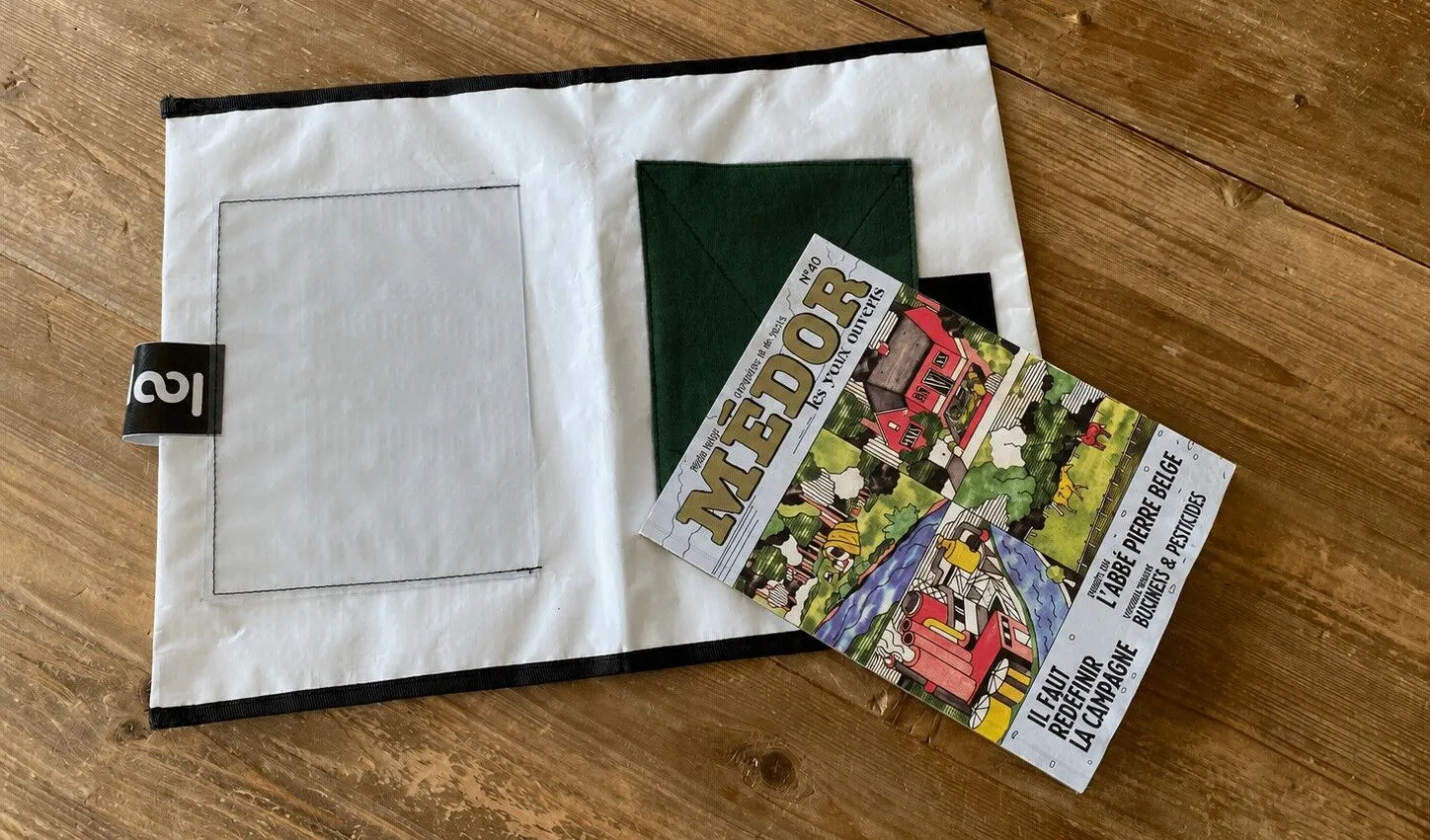
Médor, a Belgian cooperative investigative magazine, shipped to bookshops in reclaimed cardboard boxes that were often the wrong size, needed crumpled paper as padding and had to be repaired. It started a pilot with four reusable LOOPIPAK envelopes to test deliveries, handling by retailers, returns and tracking. After the first phase, Médor ordered sixteen more envelopes and a reusable crate to test another format.
Luisterpuntbibliotheek, a library that makes audiobooks accessible, asked LOOPIPAK in October 2024 for reusable packaging suited to its logistics. After a flow analysis, two prototypes in reused advertising tarpaulin were tested; neither fully met the need, so a custom crate was designed. Production started in January 2025 at ETA Nektari, a sheltered workshop, and the first crates reached the library at the end of February 2025.
Custom crates delivered five months after the first contact
One day, real numbers. Meet the companies turning carbon strategy into measurable savings — and benchmark yours against Belgium's sustainability leaders. Seats are limited.
Real ROI case studies — companies saving up to €94k/year
Benchmark your climate strategy against 100+ industry peers
Leave with an actionable, board-ready reduction roadmap