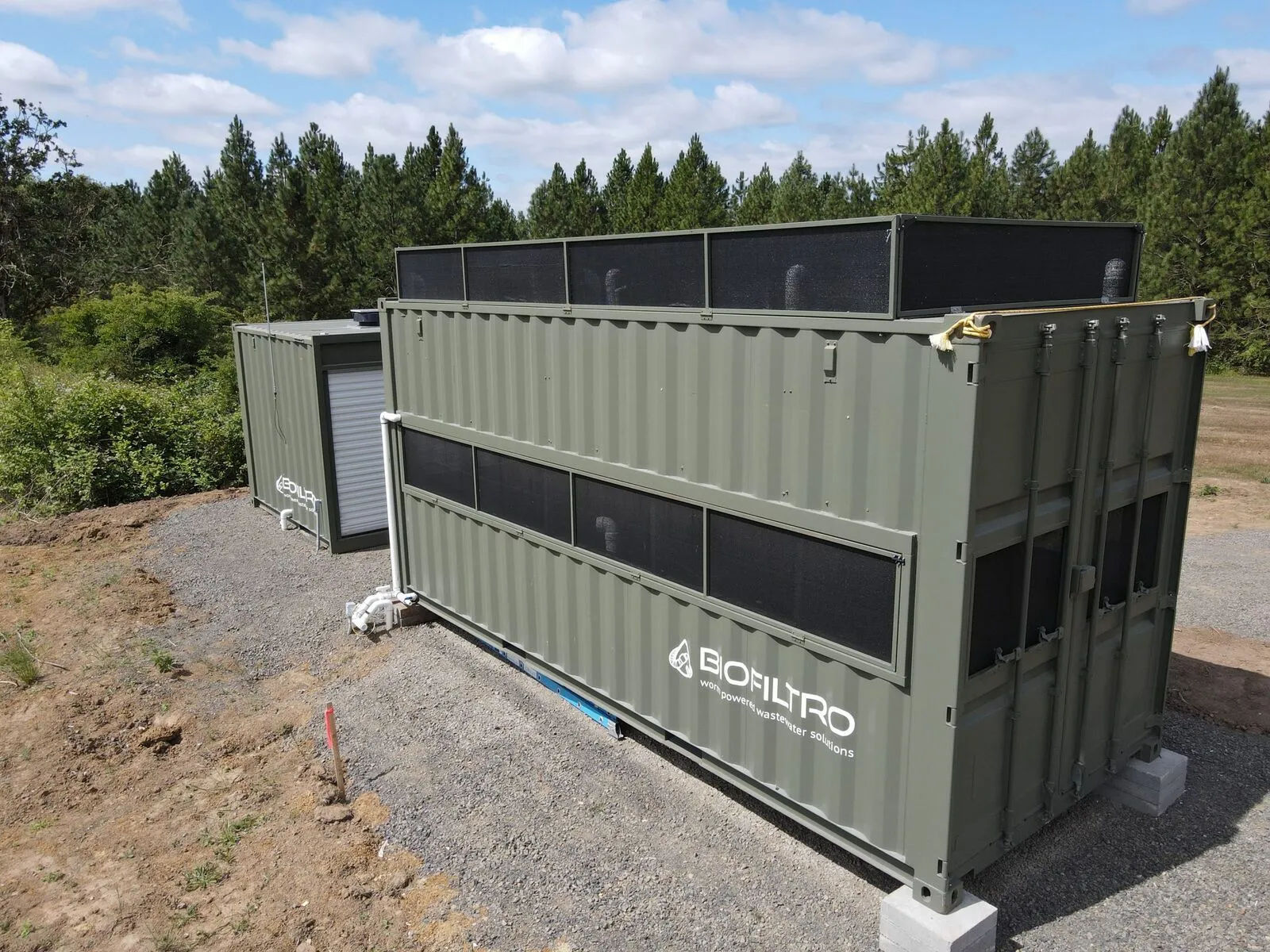
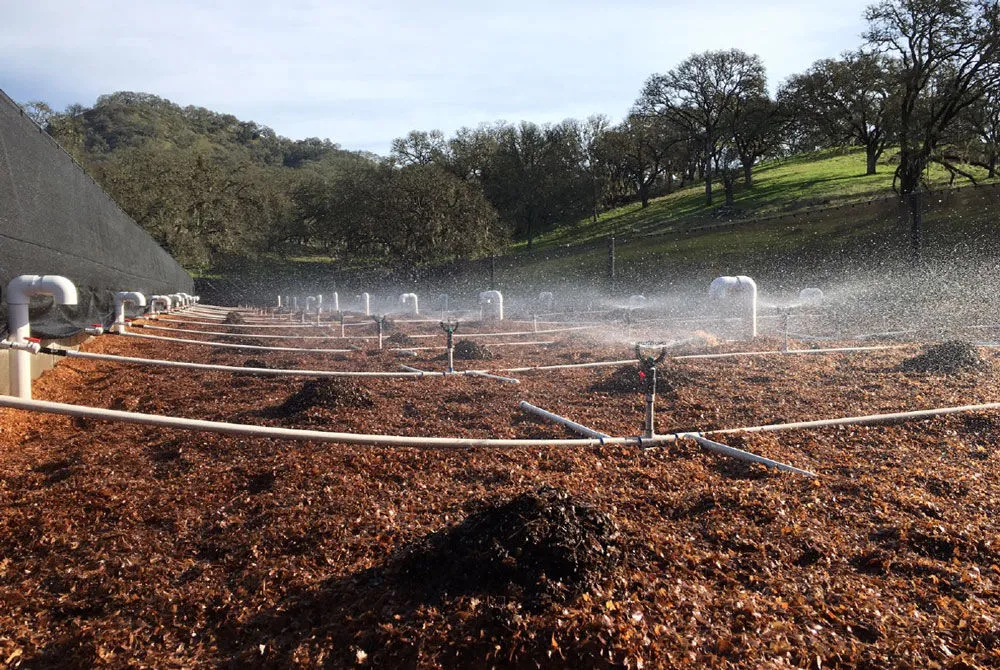
BioFiltro treats organic wastewater on site with worms and microbes. Its patented BIDA® system removes up to 99% of contaminants in four hours, avoids the methane that lagoons and sludge give off, and returns reusable water and worm castings for the soil.
About BioFiltro
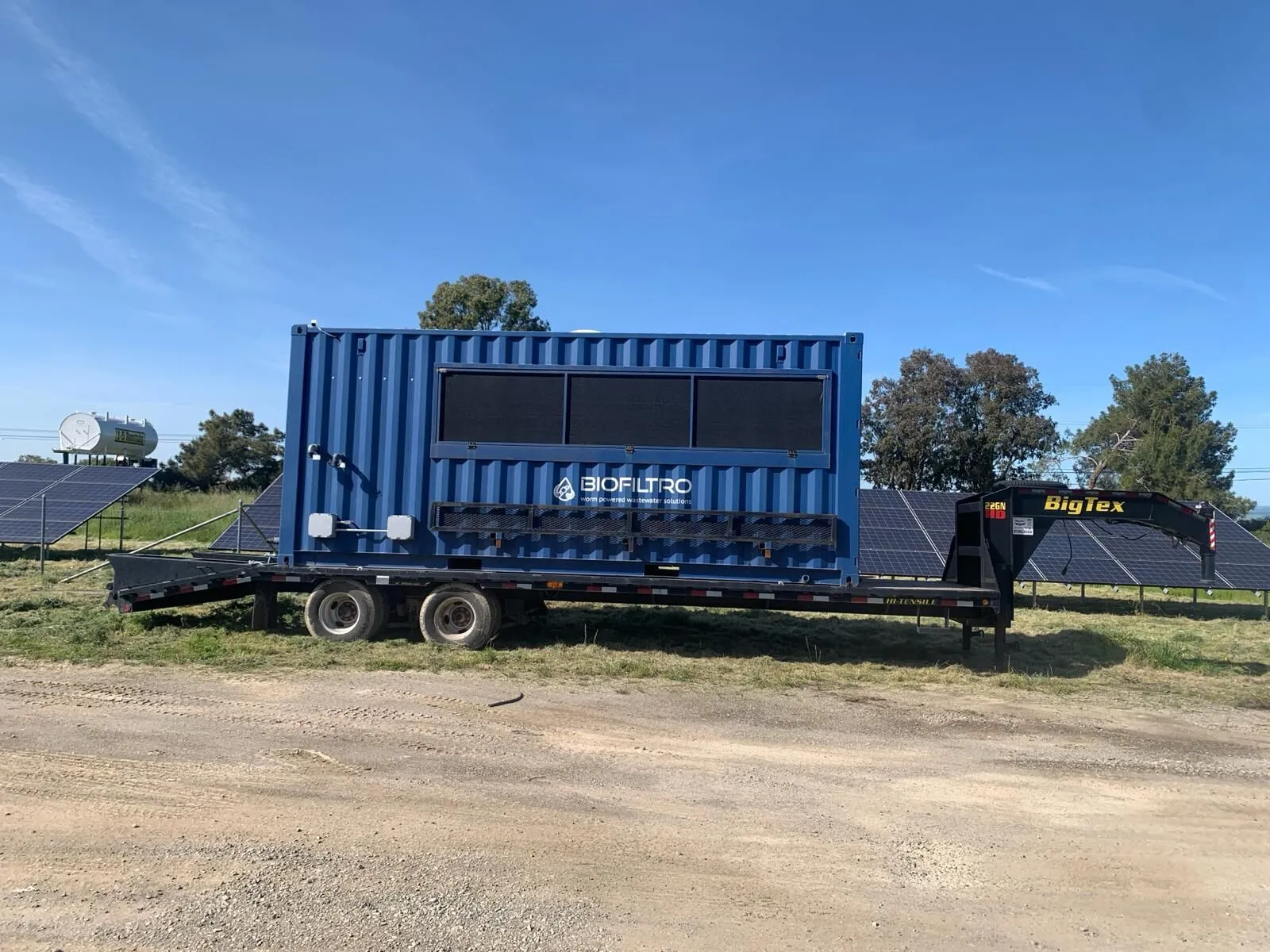
BioFiltro was co-founded in 2010 by civil engineers Matías Sjögren, now CEO, and Rafael Concha, now COO, and has grown into an international wastewater treatment company with offices in the United States (Davis, California), Chile, Peru, France and Belgium, where BioFiltro BE has been based in Zaventem since 2025. Its patented BIDA® vermifiltration system uses worms and microbes to remove up to 99% of contaminants in four hours. BioFiltro designs, builds, operates and maintains these systems for dairies and livestock farms, wineries and breweries, food processors, slaughterhouses, aquaculture, waste haulers and sanitary uses such as rest stops and rural communities, with compact containerised units for small sites. Research on the system has been published in journals such as Frontiers in Microbiology and Bioresource Technology Reports, and the emission reductions at Royal Dairy were registered under Verra's Verified Carbon Standard in 2020. Its worm castings, vermicompost and vermi mulch are OMRI-listed for organic production. Clients include Refresco, Taylor Farms, Fetzer, O'Neill Vintners & Distillers and Royal Dairy, and in 2025 BioFiltro received a $35 million strategic investment from Jordanelle Capital to grow beyond dairy into food processing, municipalities and industry.
They also worked with BioFiltro
Refresco
Taylor Farms
Fetzer
U.S. Customs and Border Protection
O'Neill Vintners & Distillers
Royal Dairy
Frey Vineyards
Northstar
What BioFiltro has delivered
Royal DairyDairy farming
Lagoon methane avoided at a large dairy, with Verra-registered carbon credits
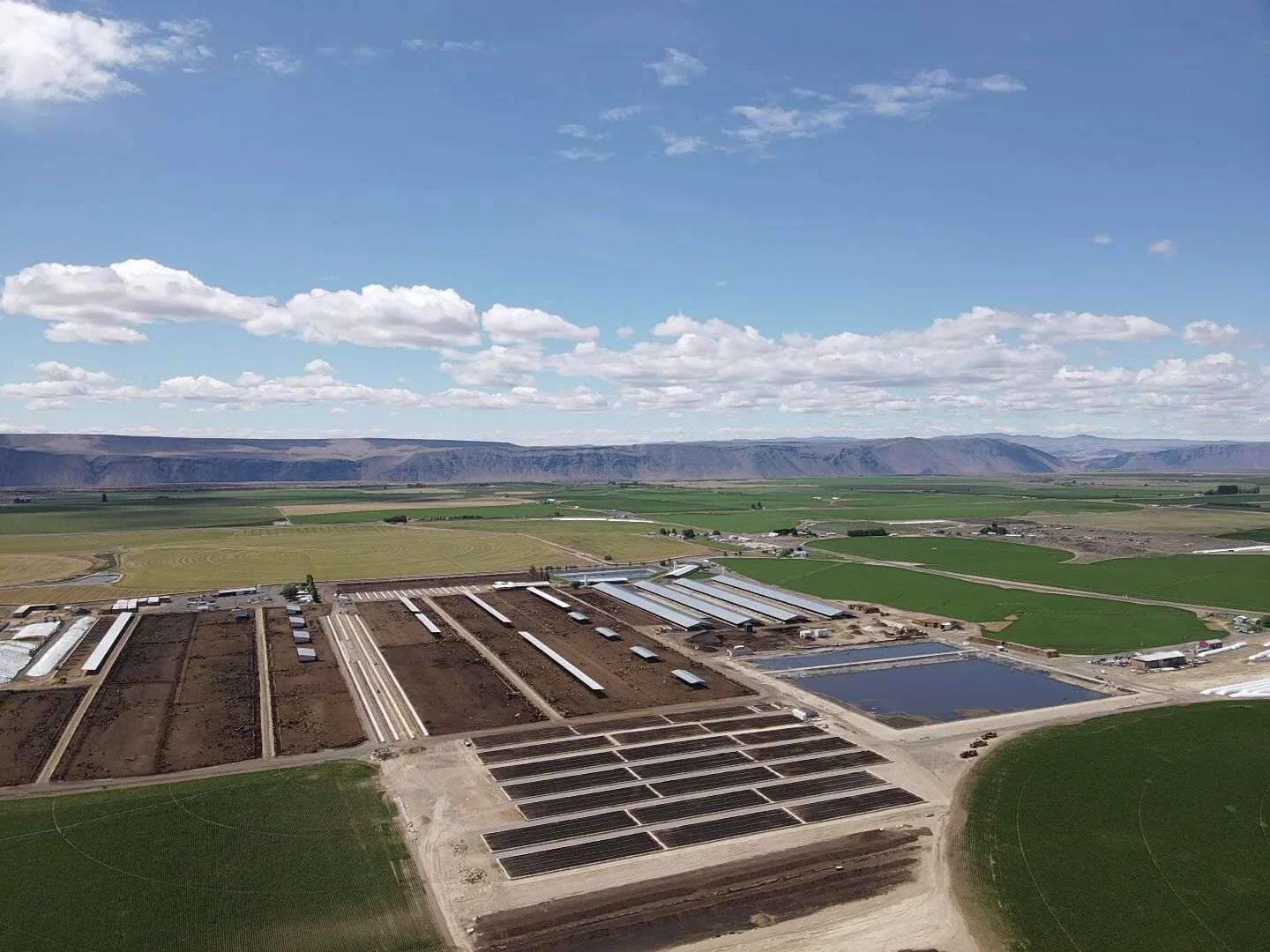
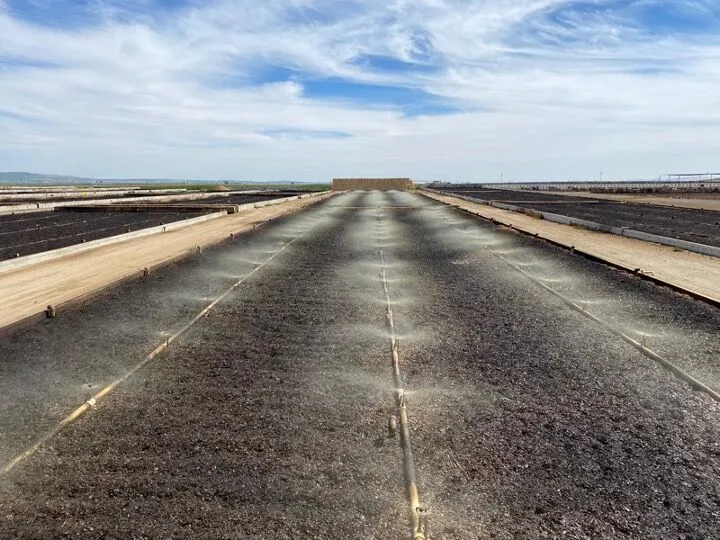
At Royal Dairy in Royal City, Washington, liquid manure goes through solid separators and a first storage lagoon, then through BioFiltro's BIDA® system before the treated effluent reaches a second lagoon. The four-hour treatment keeps solids and nutrients out of that lagoon, so methane no longer forms there; BioFiltro estimates the avoided emissions at tens of thousands of tonnes of CO₂ equivalent each year for this one lagoon. In 2020 the emission reductions were registered under Verra's Verified Carbon Standard, and the carbon credits were sold to a global consumer goods company as part of its pledge to lower its dairy footprint.
A dairy value-chain partnership to cut on-farm emissions
Danone and Leprino signed a multi-year sustainability agreement that aims to cut on-farm emissions by 50% by 2030, and BioFiltro's technology is at its heart. The first project installs a BioFiltro system on a California dairy farm. By cleaning manure wastewater through vermifiltration, the system is expected to cut methane emissions by 40,000 tCO₂e per year and recycle nearly 0.7 billion litres of water annually, while producing worm castings for soil health and crop yield. For a food company, it is a way to reduce Scope 3 emissions at the source, on the farms that supply its milk.
The Agueda family's Alberto Dairy in Stanislaus County, California, partnered with BioFiltro to install the state's largest vermifiltration system to date. Millions of red wiggler worms treat the dairy's wastewater, significantly reducing nitrogen, phosphorus and methane emissions while producing reusable water and vermicompost. It is BioFiltro's next-generation BIDA® design, which uses less concrete for the same treatment, and the project was featured in Ag Alert.
Sludge-free winery wastewater, reused in the vineyard
Sleeping Giant Winery has treated its process water with a BioFiltro system since spring 2022. All of it is treated to California Title 22 reuse standards and reused to irrigate the vineyard. Ahead of the 2025 grape crush, the winery carried out its first filter media replacement, a routine step every 2 to 3 years for food and beverage processors: the vermicompost taken out of the beds was cured on site for about a month, then spread on the vineyards and the tasting room garden. Fresh wood shavings and worm-rich compost restarted the beds, with no sludge to haul away.
“Our research showed that [BioFiltro's] vermiculture dairy manure technology reduces atmospheric nitrogen losses by 90%. After studying the microbiology, we now know that denitrifiers take various nitrogen compounds and convert them to atmospheric nitrogen (N2). Great technology”
Dr. Frank Mitloehner,Professor & Air Quality Extension Specialist, Department of Animal Science, UC Davis
One day, real numbers. Meet the companies turning carbon strategy into measurable savings — and benchmark yours against Belgium's sustainability leaders. Seats are limited.
Real ROI case studies — companies saving up to €94k/year
Benchmark your climate strategy against 100+ industry peers
Leave with an actionable, board-ready reduction roadmap