Atrasol is a Belgian environmental engineering consultancy, founded in 2005, that helps contractors, project owners and industrial companies measure and cut the carbon footprint of their worksites and operations, recover soils and waste, and redevelop brownfield sites.
About Atrasol
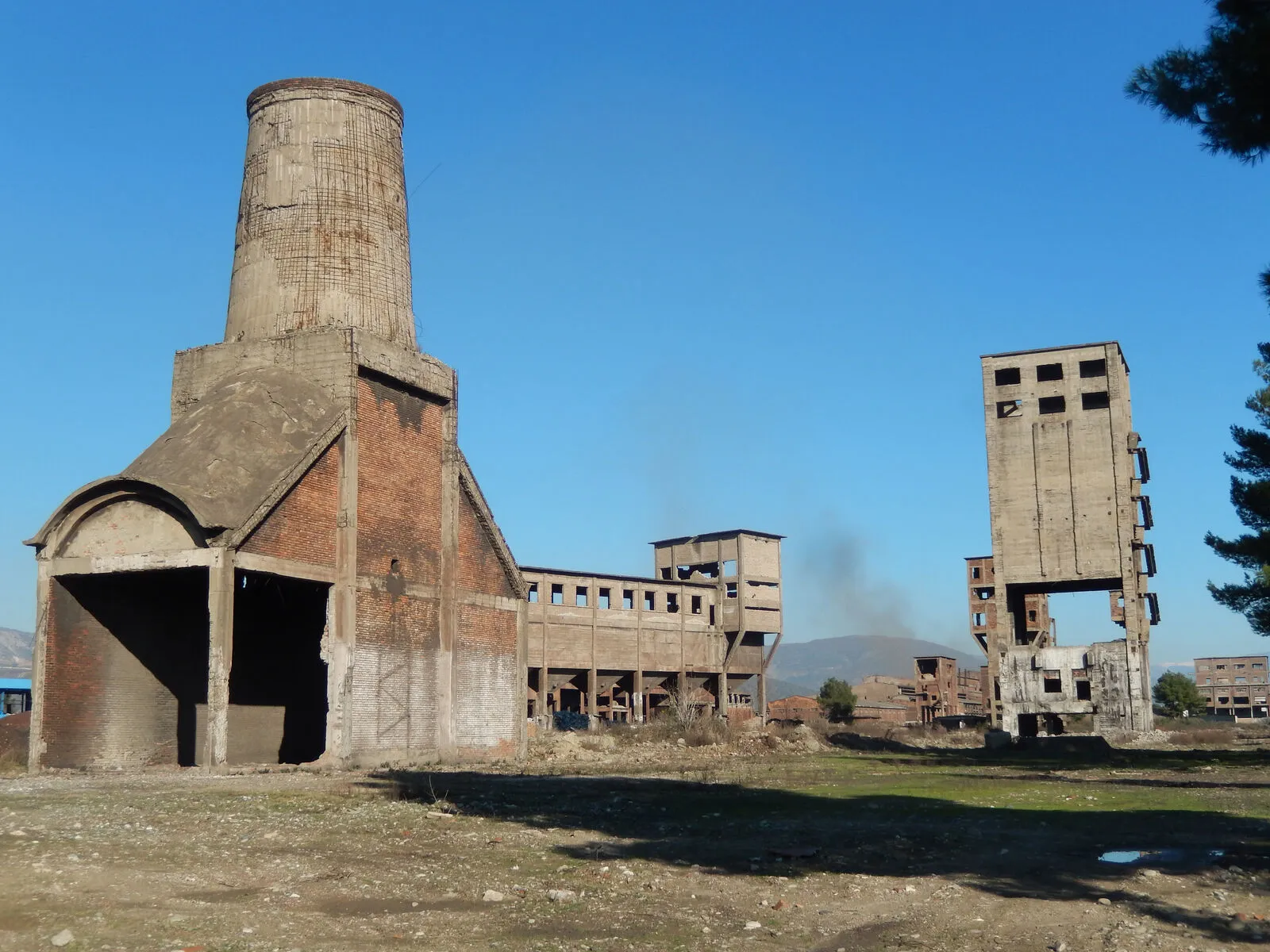
Atrasol was founded in 2005 and is led by Renaud De Rijdt, a civil engineer in geology, from Chastre in Walloon Brabant. It has specialised since 2009 in carbon footprints and emission reduction plans for civil engineering and industry, and is a member of the French Association pour la transition Bas Carbone (ABC), which carries the Bilan Carbone method. Its work also covers the circular economy, waste recovery, renewable energy, business vulnerability and resilience, and the rehabilitation of brownfield sites, including soil remediation and containment. Since 2018 Atrasol has built environmental web applications: utiliTERRE.be for excavated soils in Wallonia, with Walterre, and the platforms of the European projects New-C-Land and NWE-REGENERATIS, which maps former metallurgical sites for metal and mineral recovery. Atrasol also sets up European and Walloon funded projects, and Renaud De Rijdt teaches at IFAPME Liège-Verviers and gives occasional courses at the University of Liège. Clients include Colas Belgium, Aertssen, Socogetra, SPAQuE, Eloy, Nelles and Keolis.
They also worked with Atrasol
Colas Belgium
Aertssen
Socogetra
SPAQuE
Walterre
Eloy
Nelles
Group De Cloedt
What Atrasol has delivered
SocogetraCivil engineering
Mapping and cutting CO2 on a pilot port terminal worksite
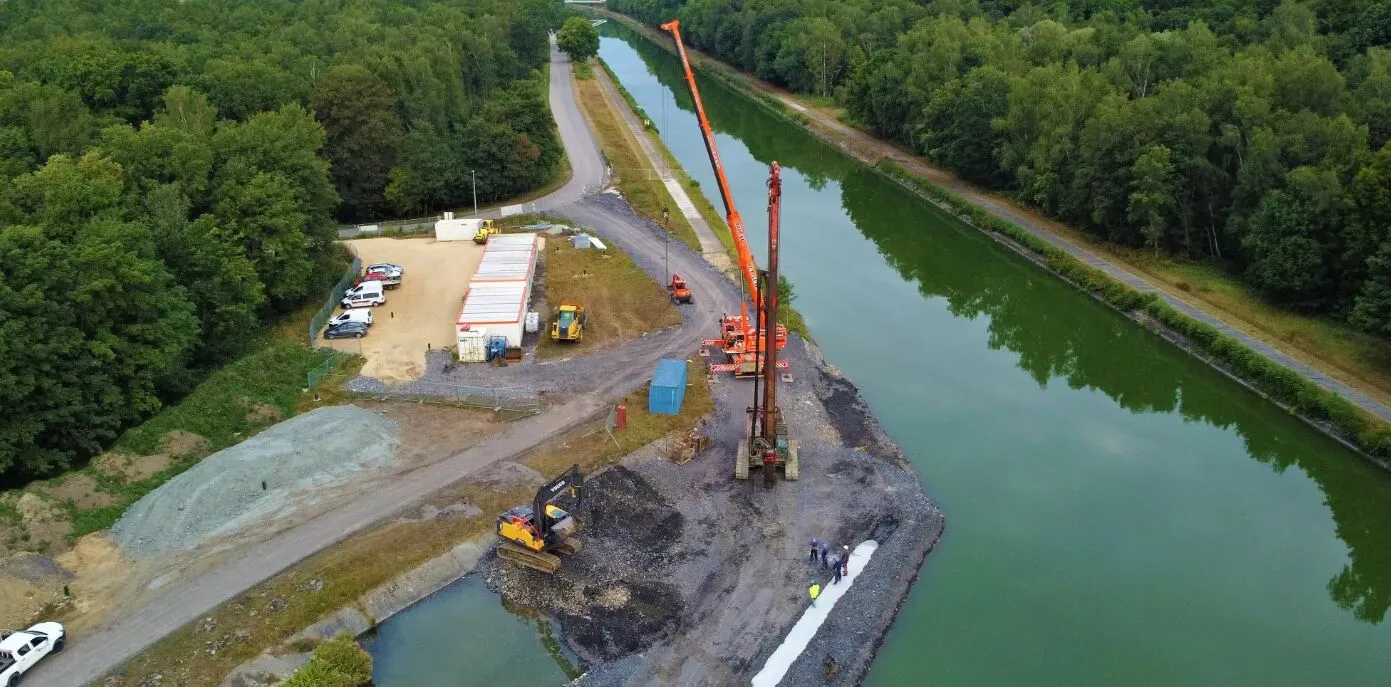
The Pommeroeul port terminal (road and canal) in Hainaut, built by Socogetra with Besix for SPW Infrastructures, was one of 25 pilot worksites testing the CO2 Performance Ladder, and the tender targeted level 3 of the ladder's five levels. Atrasol assessed and tracked the worksite's emissions to map them, then helped the contractors act on the other levers: energy efficiency of machinery and equipment, less waste and more recycling, and lower-emission transport and materials.
Worksite emissions assessed, mapped and tracked
Reduction measures on machinery, waste, transport and materials
Support on the CO2 Performance Ladder requirement of the tender
Raising the waste recovery rate of four French subsidiaries
In 2024 the Keolis Group asked Atrasol for an in-depth diagnosis of solid waste management at four of its French subsidiaries, with strategic recommendations to improve their waste recovery rate in line with the group's circular economy policy.
Solid waste diagnosis across 4 subsidiaries
Strategic recommendations to raise the recovery rate
A platform to find the best outlet for excavated soils
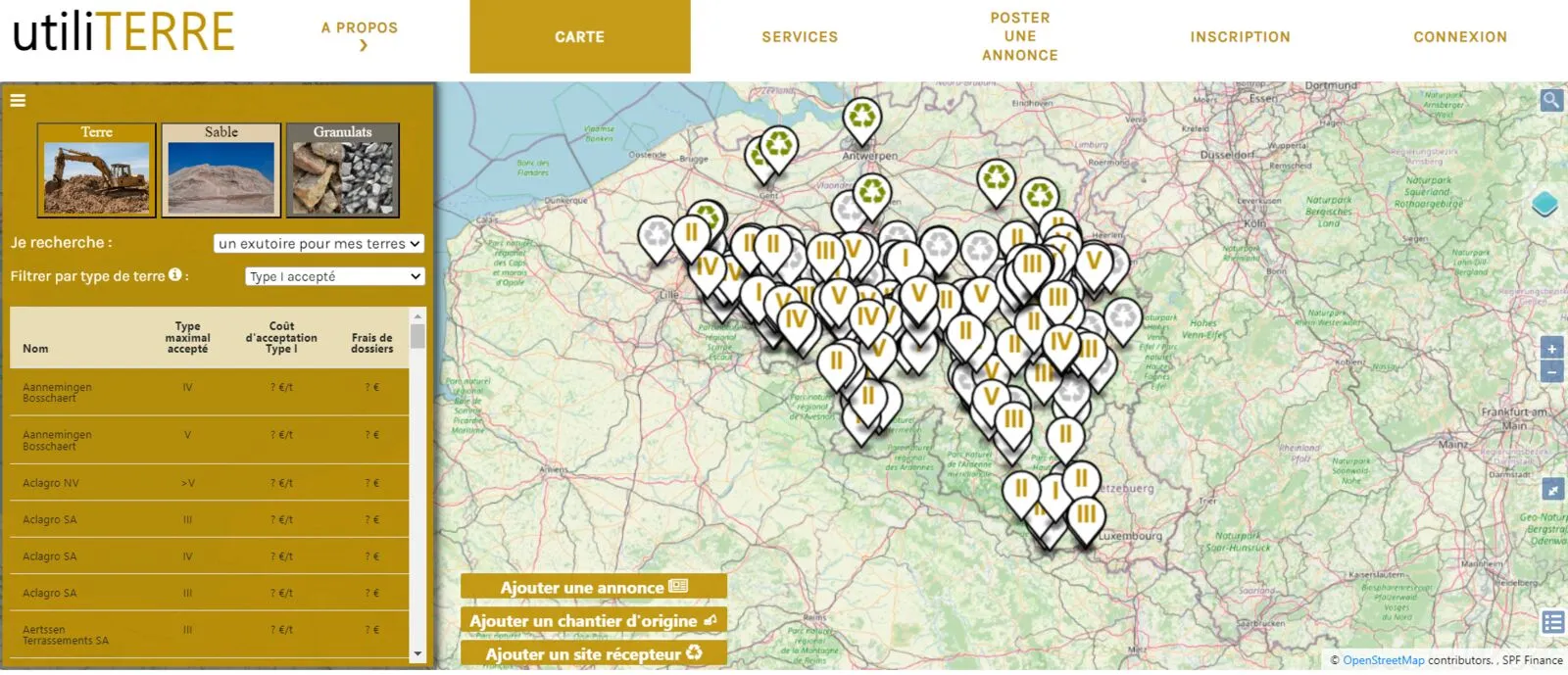
When the Walloon decree of 5 July 2018 on the management and traceability of excavated soils came into force, Atrasol created utiliTERRE.be, which it describes as the first platform for managing excavated soils in Wallonia, where 10 million tonnes are moved each year. Built in close collaboration with Walterre, the non-profit in charge of soil certification and traceability, it lets contractors find the most interesting receiving sites including transport costs, estimate the greenhouse gas emissions of transport, manage their sites and prices during tender or execution, and swap soils between worksites.
Receiving sites compared with transport costs included
Greenhouse gas emissions of soil transport estimated
Growing non-food biomass on marginal land across the border
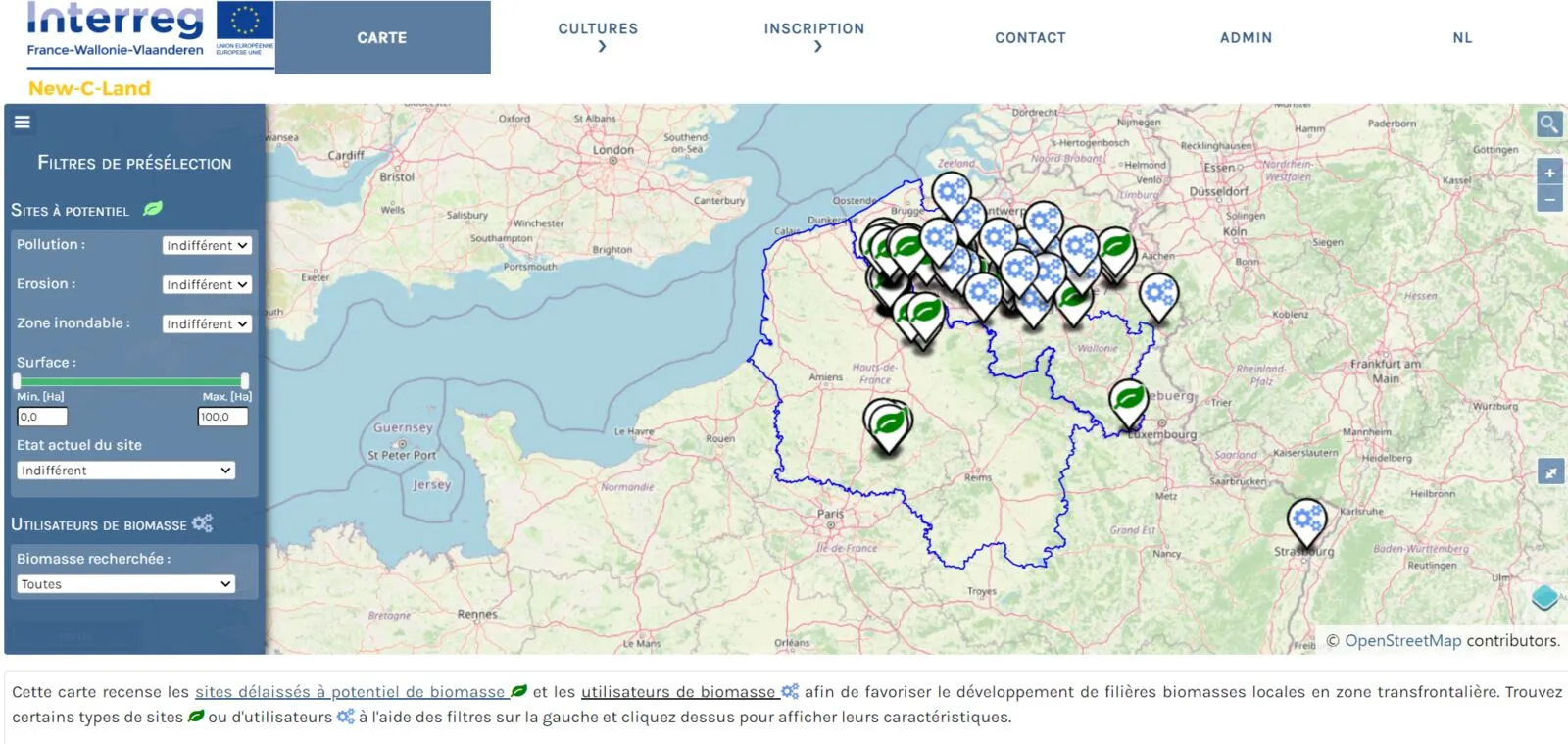
New-C-Land, an Interreg France-Wallonia-Flanders project, identifies marginal and brownfield land in the border regions with the best potential for non-food biomass and connects landowners with biomass users to build local value chains. As a partner alongside Ghent University, the Chambre d'Agriculture Nord-Pas-de-Calais and Inagro, Atrasol built the project's platform: site owners register their land, and a decision-support tool points them to the crop best suited to it.
Marginal sites and biomass users mapped on one platform
Decision-support tool to choose the right crop per site
“Nous avons été aidés et accompagnés par Atrasol, une entreprise spécialisée dans la mesure et la réduction des émissions de CO2 sur les chantiers. Atrasol a réalisé une évaluation, une compréhension et un suivi de ces émissions pour dresser une cartographie”
One day, real numbers. Meet the companies turning carbon strategy into measurable savings — and benchmark yours against Belgium's sustainability leaders. Seats are limited.
Real ROI case studies — companies saving up to €94k/year
Benchmark your climate strategy against 100+ industry peers
Leave with an actionable, board-ready reduction roadmap