Karno is a Belgian company that designs, builds, finances, maintains and operates zero-carbon heat networks. Property developers, cities and industrial sites get renewable heat and cooling from geothermal energy, waste heat or river water instead of individual fossil boilers, as a turnkey service.
About Karno Energy
Karno was founded by two civil engineers specialised in energy, Grégory Meys and Arnaud Latiers, who saw that Belgium lags behind its European neighbours on heat networks. The company started developing heat networks in 2020 and acts as developer, financer, operator and maintainer of each network under a DBFMO model. It applies heat network technologies already proven elsewhere in Europe and draws on geothermal energy, industrial waste heat, biogas, wood biomass, river water and wastewater. Its customers include property developers, cities and public bodies, industrial sites, farms and citizen energy initiatives. Projects range from a 10-flat building to new neighbourhoods, office towers and industrial zones in Brussels and the provinces of Walloon Brabant, Hainaut, Namur and Liège, with a project in development on the Kirchberg plateau in Luxembourg. Karno is a member of the Be.SHARE consortium led by Bruxelles Environnement in Brussels' North district. In February 2026, L'Echo reported that Karno, backed by the European Investment Bank, plans to invest €82.5 million in heat networks over three years.
What Karno Energy has delivered
WhitewoodOffice real estate
Reviving an unused geothermal field under two Brussels office towers
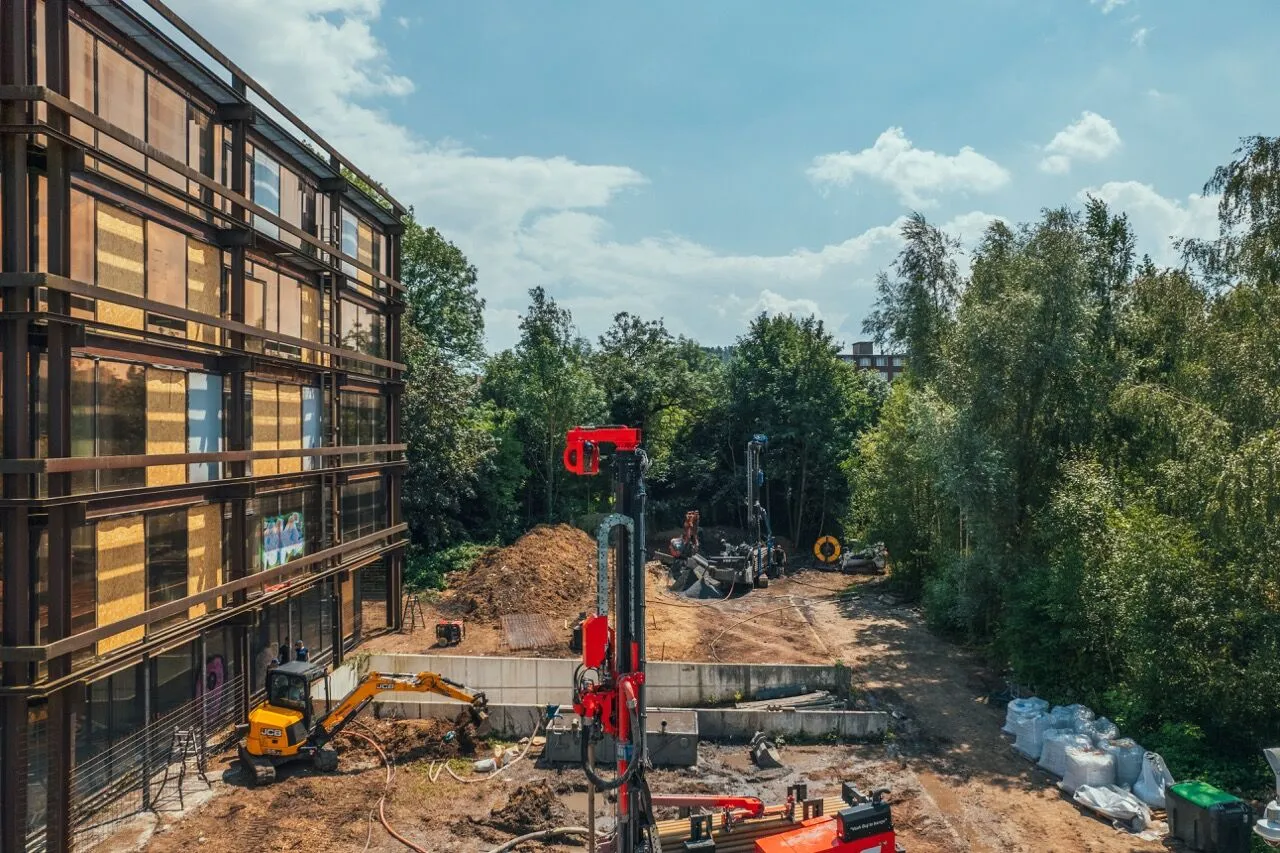
One of the North Light and Pôle Star office towers on Boulevard Simon Bolivar, in Brussels' North district, has a geothermal borehole field that had barely been used since it was commissioned ten years earlier, for various technical reasons. Karno was asked to redesign and optimise the heat and cold production system, and set up a thermal energy exchange so that both towers draw on the geothermal source. The towers' heat and cold demand of 7,670 MWh a year is now covered by decarbonised heat.
A renewable heat network for 141 new homes in Jodoigne
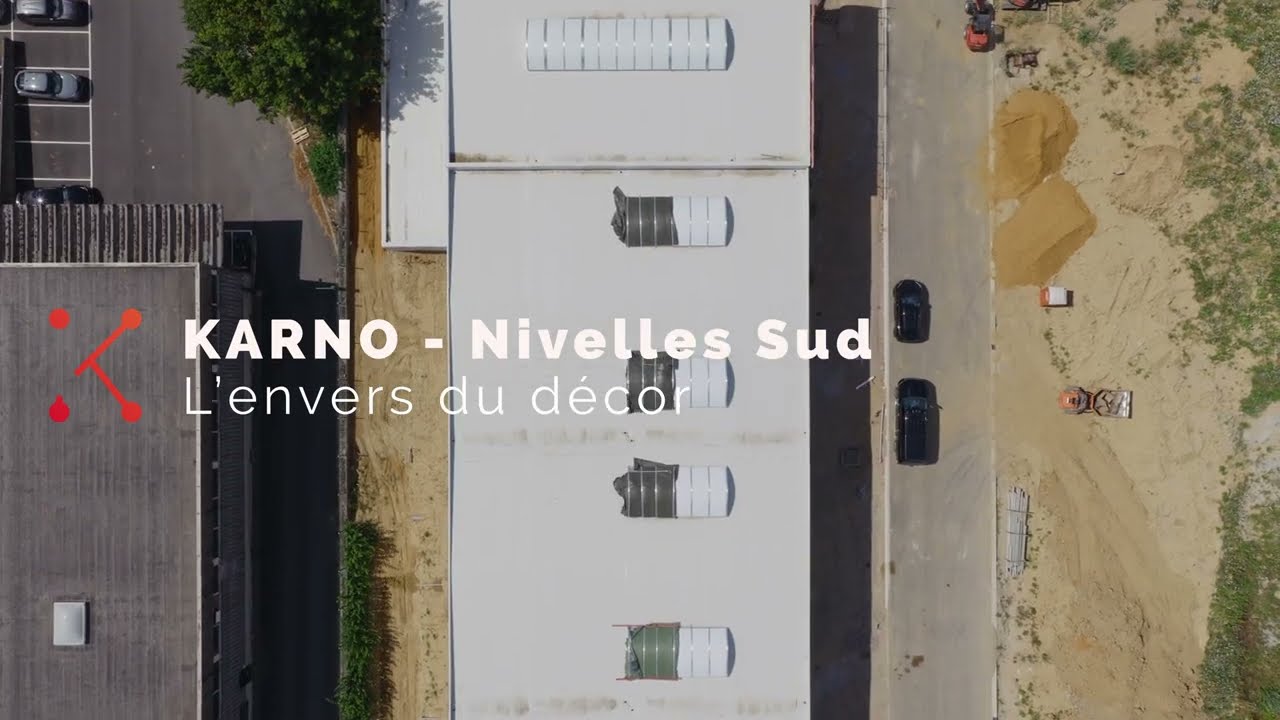
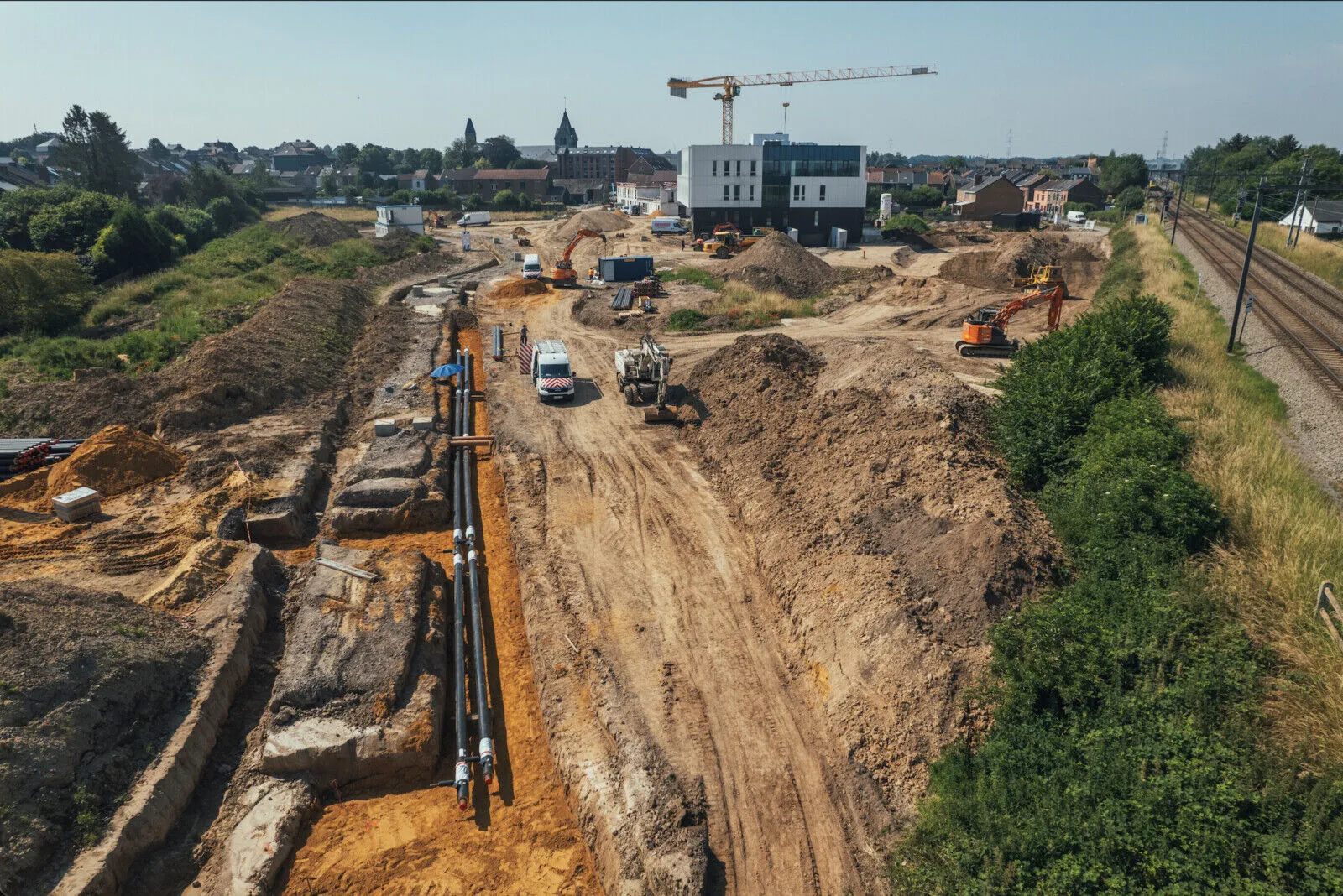
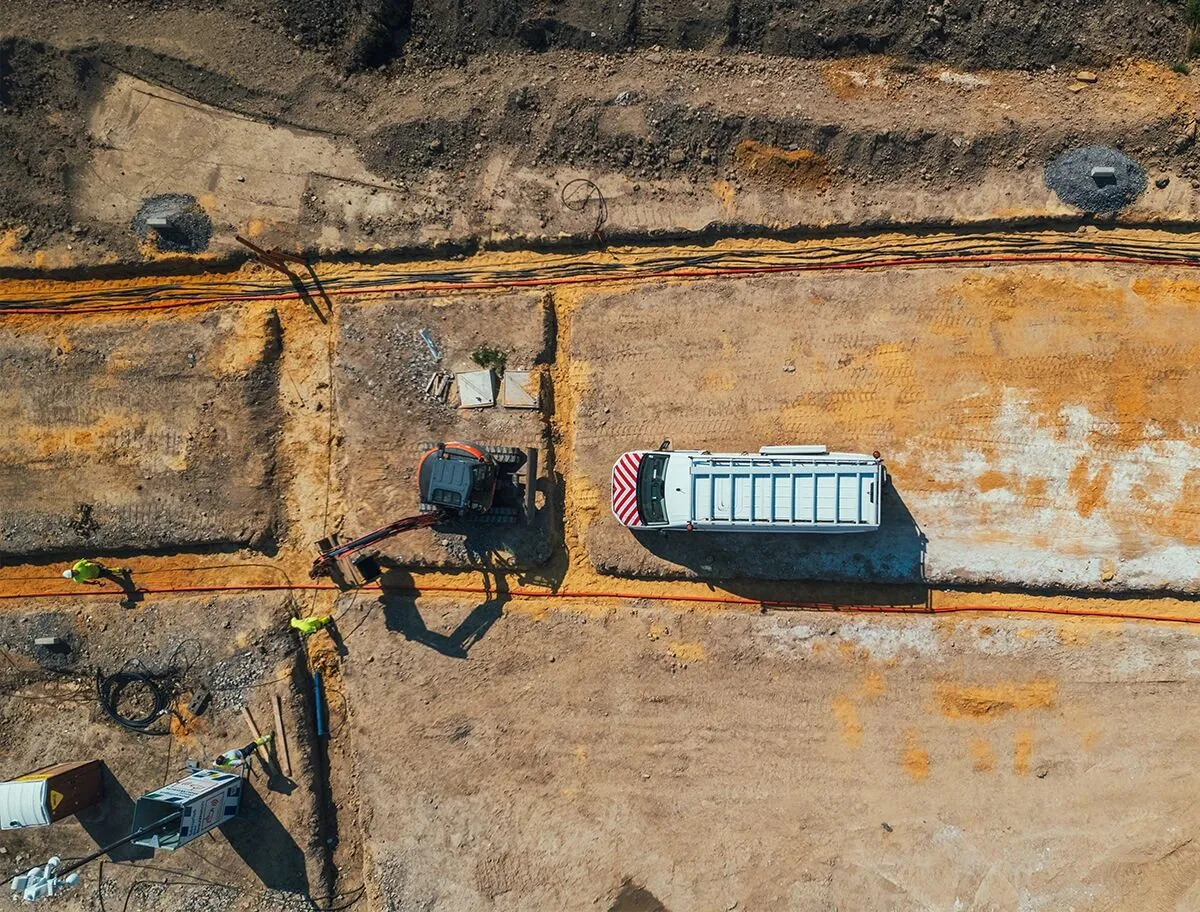
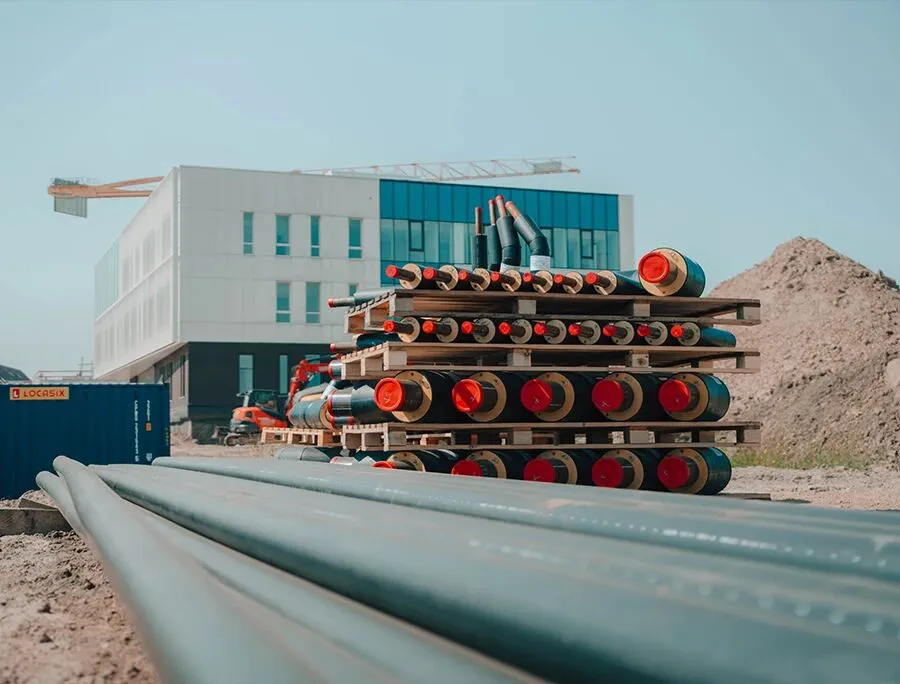
For Matexi's Belle Vallée neighbourhood in Jodoigne, Karno is deploying a heat network that supplies 141 houses from a geothermal borehole field combined with geothermal and air-source heat pumps. Karno runs the project under a DBFMO contract (design, build, finance, maintain, operate), so the homes never need their own boiler. Works started in May 2022.
Seeding a new urban heat network with 160+ homes in Brussels
Novacity 2 is a new complex of more than 160 homes and a commercial space, built for Citydev in Brussels with Eiffage Développement as property developer. Karno is installing a 100% renewable, multi-source system that combines geothermal and air-source heat pumps. It decarbonises the building and is designed to supply its neighbours too, as the starting point of a new urban heat network. Construction runs from 2025 to 2027.
A low-temperature heat and cold network for Brussels' North district
Be.SHARE is a European project led by Bruxelles Environnement in a consortium with Sibelga, Vivaqua, Karno, the VUB and the non-profit Convivence. Around Maximilien Park, shallow geothermal energy turns the park's subsoil into a thermal store: heat is stored in summer and returned in winter, and the same system supplies cooling in summer. Heat recovered from wastewater (riothermal energy) completes the mix. The network is designed to supply office towers, mixed-use buildings and social housing in the North district, including 127 apartments, a co-working space, a hotel and a restaurant.
Heating and cooling from the park's subsoil and from wastewater
Offices, mixed-use buildings and social housing on one network
Karno brings its heat network expertise to a public consortium
One day, real numbers. Meet the companies turning carbon strategy into measurable savings — and benchmark yours against Belgium's sustainability leaders. Seats are limited.
Real ROI case studies — companies saving up to €94k/year
Benchmark your climate strategy against 100+ industry peers
Leave with an actionable, board-ready reduction roadmap