
CO₂PL · January 2025 What changes with the Handbook 4.0

Handbook 4.0 of the CO₂ Performance Ladder is a complete overhaul. It is more demanding, better aligned with European standards, and now rewards actual results, not just stated intentions.

  • Published in January 2025 by SKAO
  • Adapted for the Belgian market by BENOR vzw
  • Transition open until 14 January 2027
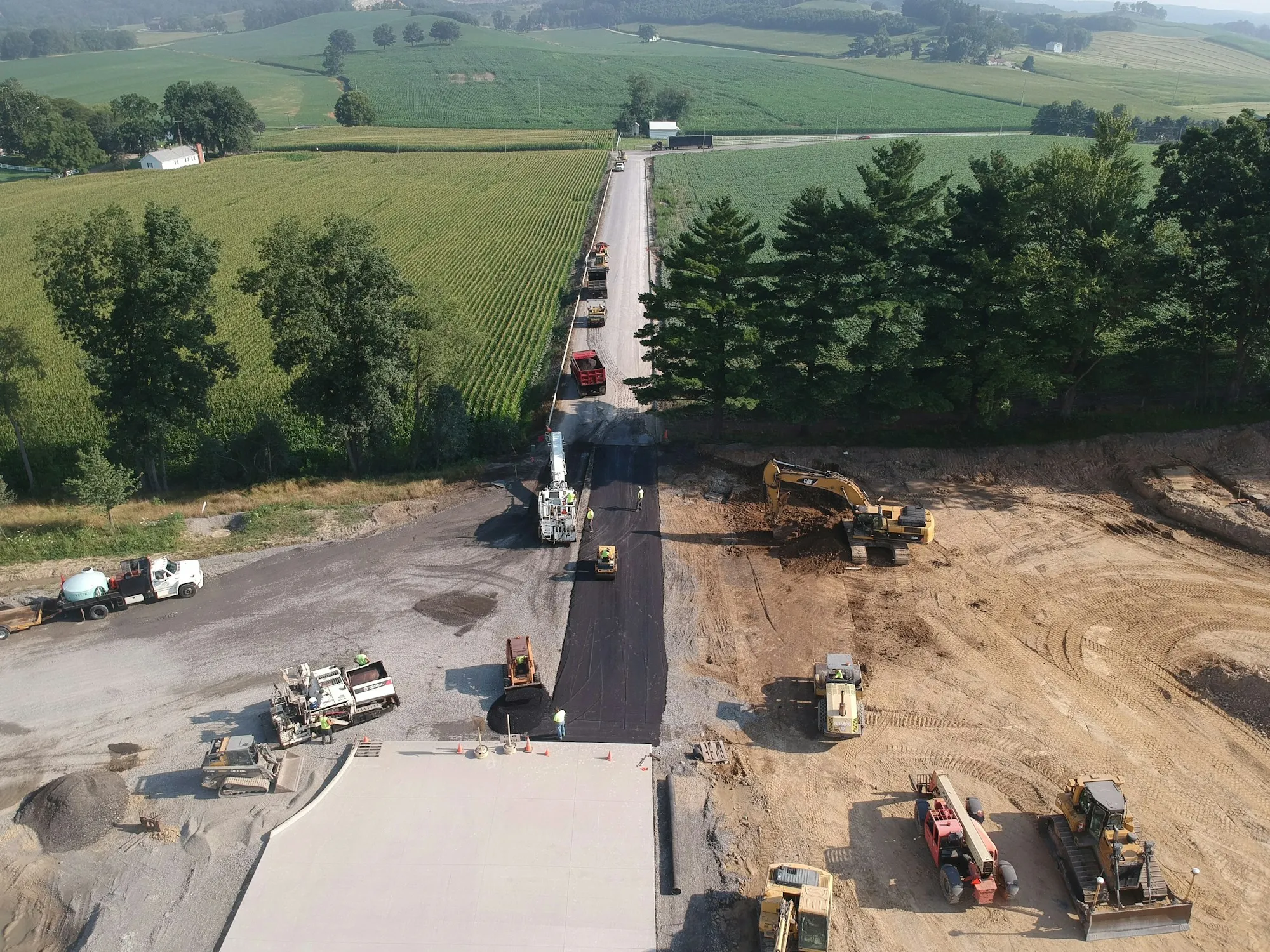
Aerial view of an active road construction site with paving equipment and excavators — Belgian public infrastructure project
6

major changes compared to the previous handbook

Step 2

first step where full scope 3 is required

2050

net zero target required from Step 3 onwards

Jan. 2027

deadline for transition to Handbook 4.0

The 3 steps of Handbook 4.0

What each step requires, axis by axis.

Requirements are assessed against 4 axes at the annual audit. Items in bold are new or strengthened under Handbook 4.0.

Step 1 Scope 1 & 2 Fictitious discount: +3%

Insight

  • Energy consumption mapping
  • Scope 1 and 2 inventory
  • Identification of emitting activities

Reduction

  • Short-term reduction targets
  • Demonstration of results achieved

Transparency

  • Internal communication to key stakeholders
  • Documented CO₂ policy

Participation

  • Analysis of partnership needs
  • Participation in sector initiatives
Step 2 Scope 1, 2 & 3 · Most common in public tenders Fictitious discount: +6%

Insight

  • Everything from Step 1
  • Full scope 3: 15 GHG Protocol categories
  • At least 2/3 of total emissions covered
  • OIE where relevant (qualitative view)

Reduction

  • Formal climate transition plan
  • Medium-term target (5 to 10 years)
  • Intermediate target at 5 to 10 years
  • Results proven at audit

Transparency

  • Internal and external communication
  • Publication on the official CO₂PL website
  • Reporting aligned with legal obligations

Participation

  • Value chain analysis by main activity
  • Upstream and downstream decarbonisation strategies
  • Participation in sector initiatives
Step 3 Paris-aligned · Maximum advantage in public tenders Fictitious discount: +10%

Insight

  • Everything from Step 2
  • In-depth analysis by activity and value chain segment

Reduction

  • Enhanced transition plan with strategies by activity
  • Net zero target by 2050 (scopes 1, 2 and 3) or SBTi validated
  • Validation by an independent expert

Transparency

  • Extended public reporting
  • Structured external communication to stakeholders

Participation

  • Active engagement of external stakeholders
  • Participation in sector coalitions
  • Formalised collaboration with value chain partners

Indicates a requirement that is new or strengthened under Handbook 4.0.

Handbook equivalence

Handbook 4.0 vs Handbook 3.1: the equivalences

Terms changed between the two handbooks. This table helps you map the old system to the new one, particularly useful for tenders during the transition period.

Handbook 4.0 (steps) Handbook 3.1 (CO₂ Ambition levels) Main scope
Step 1 Levels 1, 2 and 3 CO₂ reduction within your own organisation
Step 2 Levels 4 and 5 CO₂ reduction across the value chain
Step 3 Levels 4 and 5 CO₂ reduction towards net zero by 2050

Source: CO₂ Performance Ladder Procurement Guide 4.0 (SKAO). Certifications based on Handbook 3.1 cannot be used to demonstrate compliance with Handbook 4.0 award criteria.

The 6 key changes

What Handbook 4.0 changes in practice.

Six structural changes that redefine what a CO₂ Performance Ladder certification actually requires from your organisation.

New

Results are now mandatory

Stating ambitions is no longer enough. Certified organisations must now prove they are actually meeting their reduction targets, not just that they have planned them. The audit checks real results.

Strengthened

Scope 3 structured from Step 2

The inventory must cover all 15 categories of indirect emissions from the GHG Protocol (upstream and downstream). At least two thirds of total value chain emissions must be covered and documented.

New

Other Influenceable Emissions (OIE) integrated

If Other Influenceable Emissions (OIE) — biogenic emissions, CO₂ removals and avoided emissions — are relevant to your organisation, they must be analysed and integrated into the transition plan targets. This was not required in the previous handbook.

Strengthened

Climate transition plan required from Step 2

A formal climate transition plan is now required with a net zero target by 2050 for scopes 1, 2 and 3, and an intermediate target over 5 to 10 years. Previously, this was only required at Step 3.

Strengthened

Value chain analysis by activity

Value chain analysis already existed in the previous handbook. Handbook 4.0 deepens it with a new Influence and Impact (I&I) matrix that structures the analysis by main activity, both upstream and downstream, with a higher level of detail.

Formalised

International alignment formalised

Reduction targets must be compatible with a net zero objective by 2050, or validated by the Science Based Targets initiative (SBTi). Alignment is no longer optional at Step 3.

Before / After

Handbook 3.1 vs 4.0: what changes by axis.

A clear overview of the requirements that have evolved between the old and the new handbook.

Axis Handbook 3.1 Handbook 4.0 New
Results Planned ambitions and targets were sufficient Prove that targets are actually met at the annual audit
Scope 3 Partial coverage of indirect emissions All 15 GHG Protocol categories required from Step 2, with at least 2/3 of emissions covered
Other Influenceable Emissions (OIE) Not required Analysis, quantification and integration into the transition plan where relevant
Transition plan Required at Step 3 only Required from Step 2 with a medium-term target; net zero 2050 target required at Step 3
Value chains Company-level analysis Analysis by main activity, with upstream and downstream decarbonisation strategies
Climate alignment Internally defined targets Net zero target by 2050 for scopes 1, 2 and 3, or SBTi validation
Energy reporting Separate from legal obligations Automatically satisfies Belgian and European legal energy reporting requirements

Transition timeline

When do you need to migrate to Handbook 4.0?

The transition is gradual. Here are the key milestones.

  1. January 2025

    Handbook 4.0 published

    SKAO publishes Handbook 4.0. BENOR vzw adapts it to the Belgian context. The official transition period opens.

  2. July 2025

    Certifications available

    All 3 steps of Handbook 4.0 are certifiable. New candidates can start directly under Handbook 4.0. Already-certified organisations can migrate.

  3. 14 January 2027

    End of transition period

    All certifications must be under Handbook 4.0. Certifications under the previous handbook are no longer valid after this date.

Important: Steps 2 and 3 of Handbook 4.0 require an initial audit, even for organisations already certified under the previous handbook. It is recommended not to wait until 2027 to start the process. Tapio supports you from now to structure your data and prepare for the audit.

Take the next step

Ready to start your certification?

In 30 minutes, our experts assess your situation, identify your target step, and show you how Tapio gets you to certification without the administrative complexity.